Every mineral we produce is refined through decades of expertise to meet modern industrial demands. From construction and agriculture to advanced manufacturing, our materials help industries build stronger, cleaner, and longer-lasting solutions.
GGBS is commonly used in infrastructure projects, including bridges, tunnels, and large-scale buildings, where strength and durability are critical. Incorporating GGBS into your cement mix can reduce your environmental footprint while providing superior performance.
BSI
BSEN15167-1
GGBS: Cement replacement material for low carbon concrete.
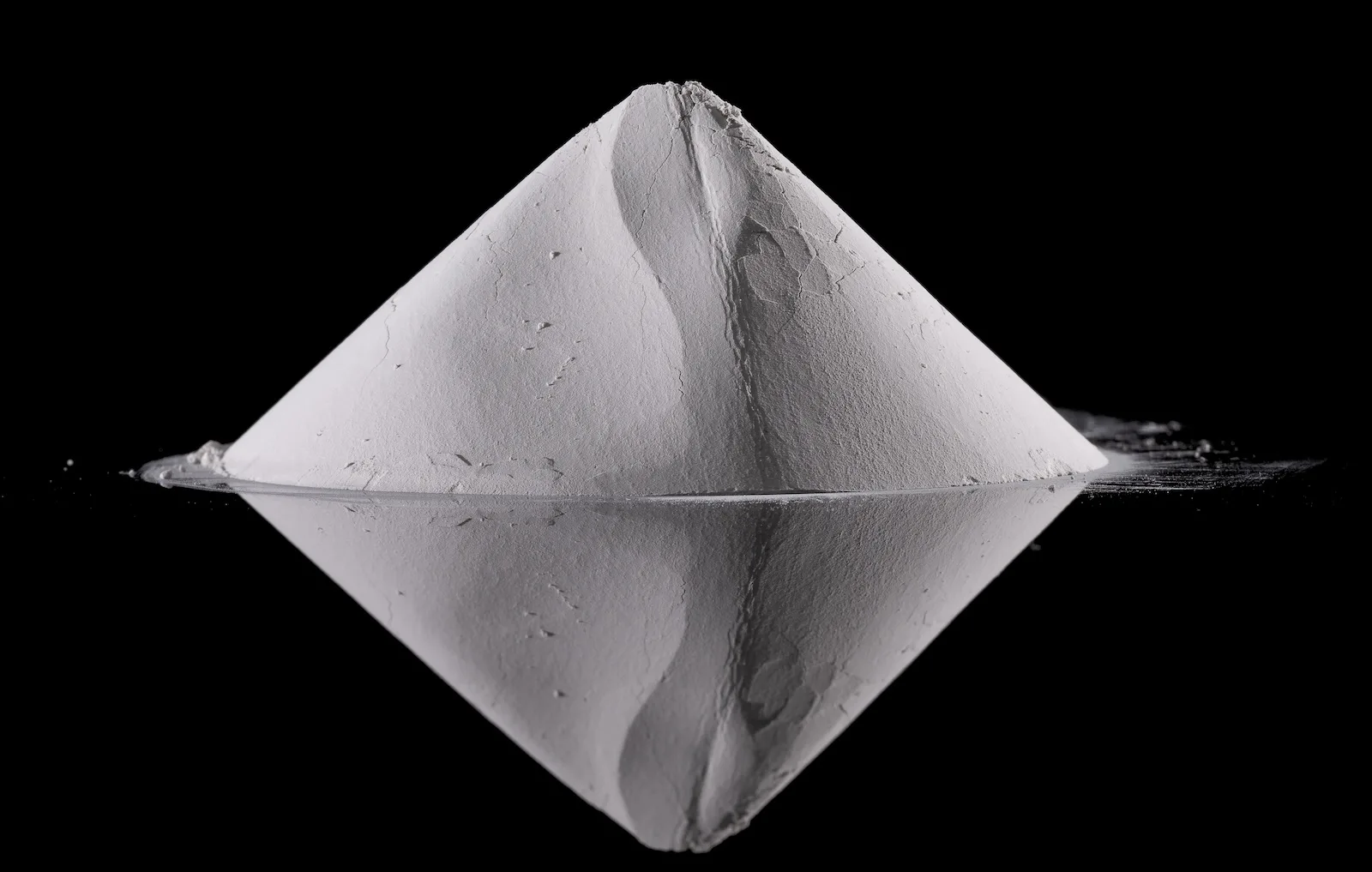
Ground granulated blast furnace slag (GGBS) is an essential mineral for cement produce. It is used to enhance concrete durability and workability. As a by-product of steel production, GGBS in concrete offers significant benefits, including improved resistance to chemical attack, reduced heat of hydration, and a longer lifespan for concrete structures. Explore how LKAB Minerals supplies high-quality GGBS and other minerals to meet your cement material needs.
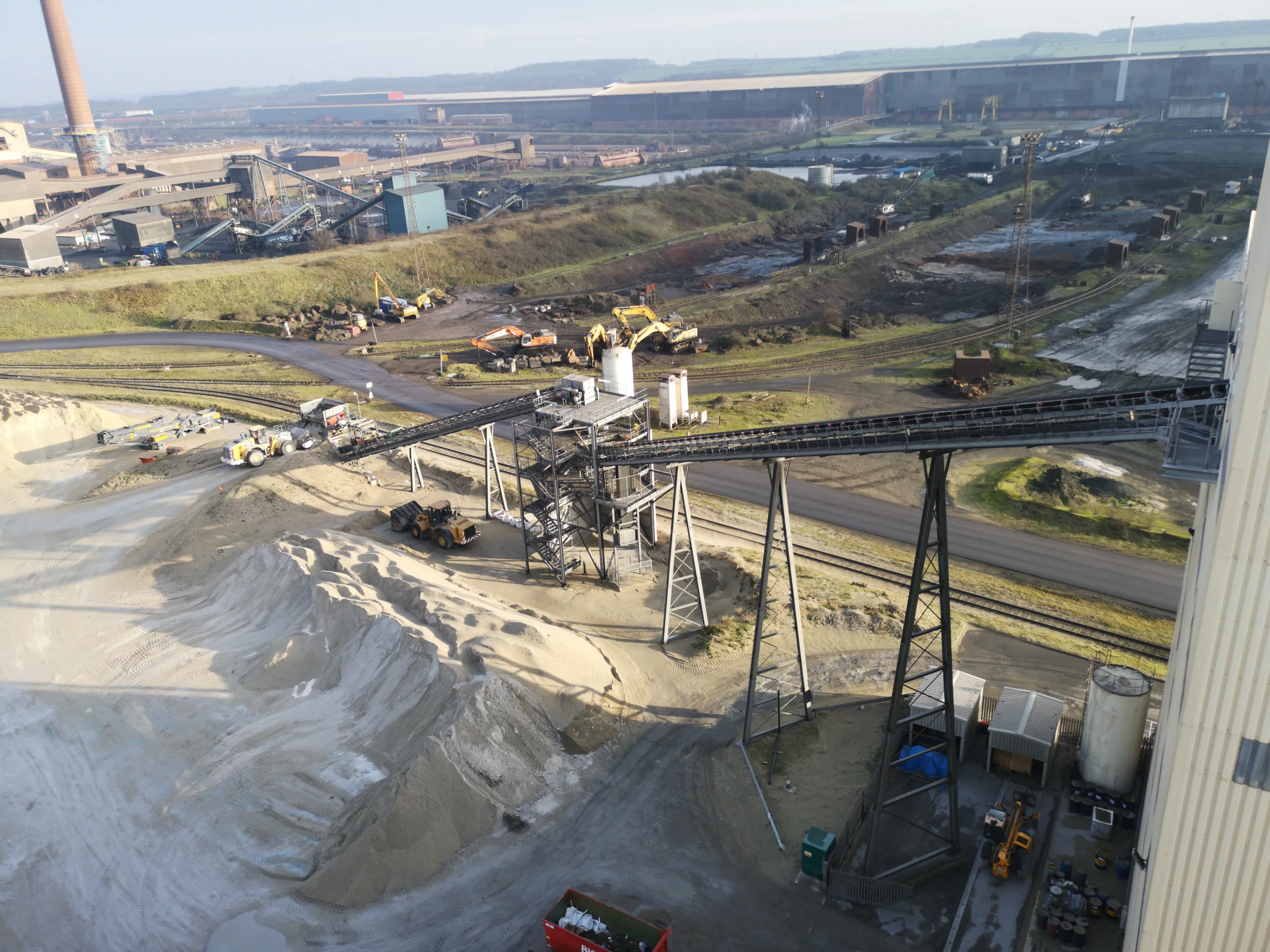
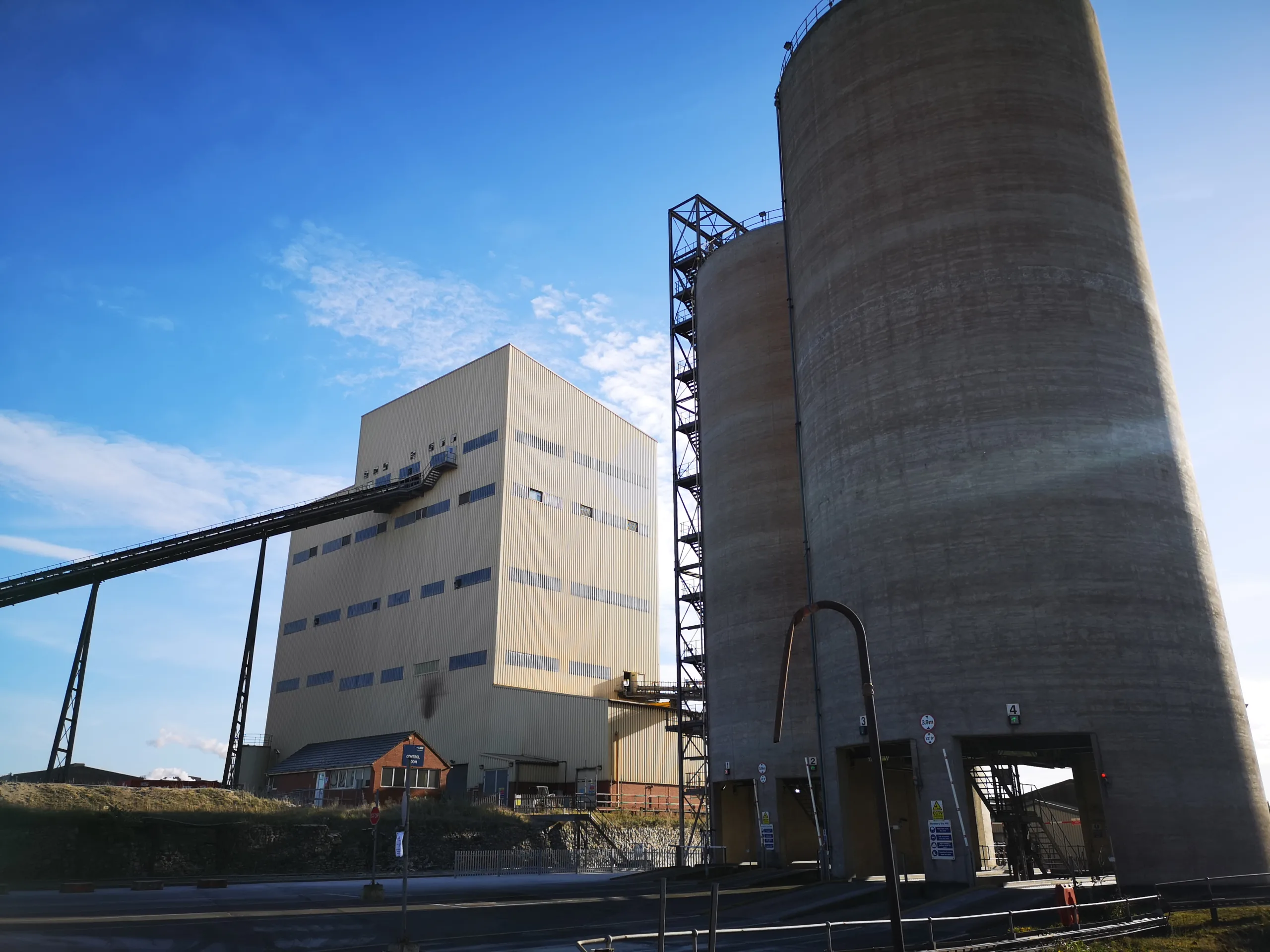
GGBS is produced at Scunthorpe and is available throughout the UK. We are able to send bagged GGBS overseas if required.
To watch this video, you need to allow for marketing cookies.
Enhance the durability of your structures with our GGBS for cement produce
See how GGBS improves the properties of concrete in construction.
Ground Granulated Blast Furnace Slag (GGBS) is a cement substitute that improves durability. It is a by-product of the iron-making industry. GGBS, used in cement produce, offers a good alternative to traditional Portland Cement.
What are GGBS and GGBFS?
The abbreviation GGBS or GGBFS are interchangeable and mean Ground Granulated Blast Furnace Slag.
Certified use in cement produce, mortar, and grout
As a by-product of existing industrial processes, GGBS has 10 times less embodied C02 than the average CEM1 product and can be used to replace up to 70% CEM1 in concrete*.
Our products conform to BS EN 15167-1, the British Standard for using Ground Granulated Blast furnace Slag in concrete, mortar, and grout.
GGBS counts fully towards the cement content of concrete mixes.
Technical information about our GGBS
LKAB Minerals is supporting:
Concrete manufacturers
Concrete formulators
Ready-mix companies
Pre-cast companies
Admixture companies
Architects
Civil and structural engineers
Students
Charter builders
And other parties involved in the construction industry
You can calculate the right amount of GGBS in concrete mixtures by contacting our sales team via the contact form.
Packaging and logistics
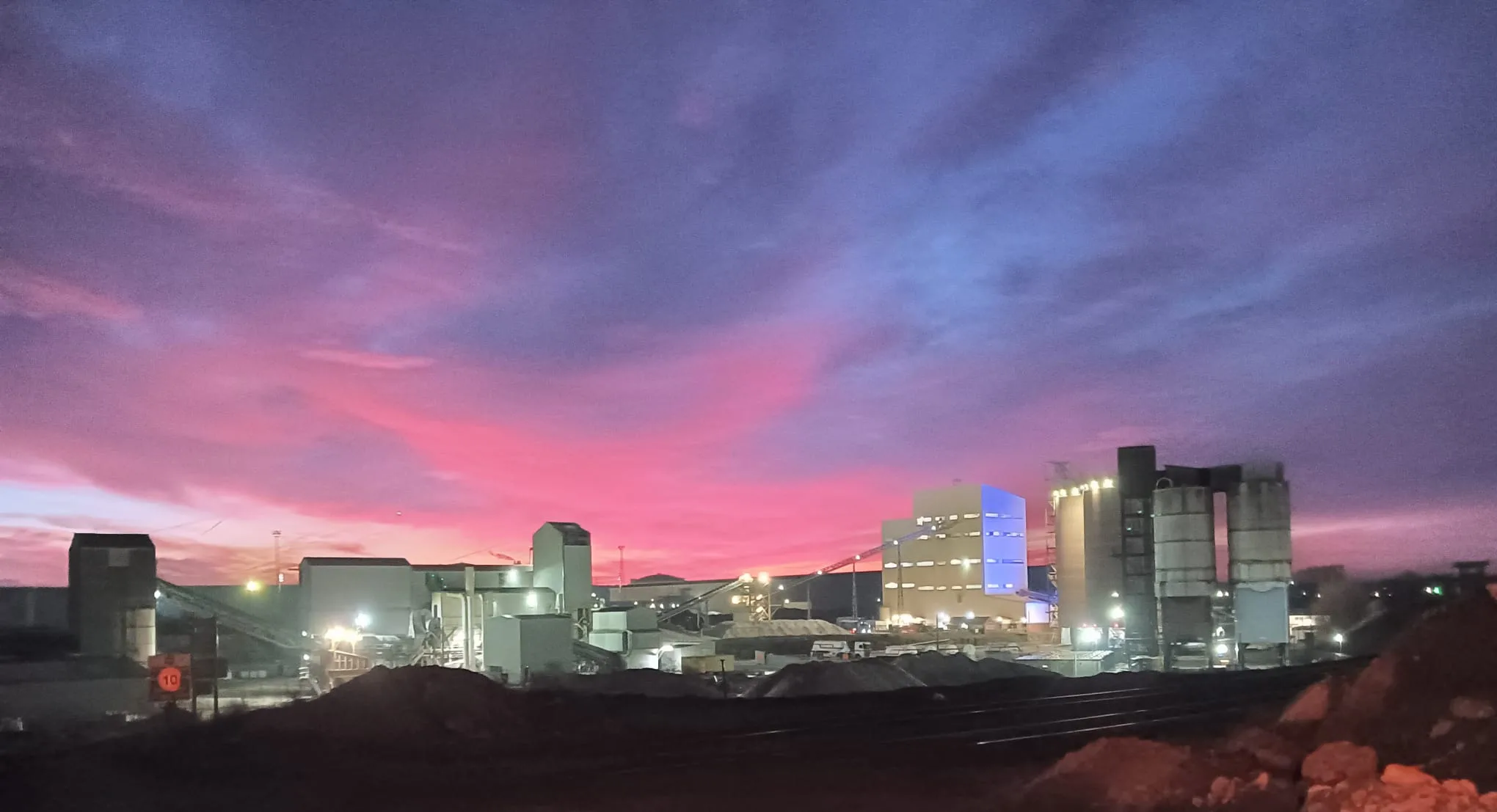
LKAB Minerals only supplies its bulk GGBS in the United Kingdom but can supply bagged GGBS further afield. We are proud to state that we have the most up-to-date, state-of-the-art GGBS production site in the UK.
For your convenience, we have GGBS available in the following ways:
Discover how GGBS reduces embodied carbon in concrete while maintaining structural performance.
Our team provides expert guidance on how GGBS can improve your cement materials for long-lasting structures. Visit our minerals page or contact us directly for more details on how all our different products can enhance your projects.
GGBS FAQs
Ground Granulated Blast Furnace Slag (GGBS) is a cement replacement mineral produced as a by-product of ironmaking. It is widely used in low-carbon concrete because it significantly reduces embodied CO₂ while maintaining strength and durability.
GGBS has much lower embodied carbon than traditional Portland cement and can replace a large proportion of cement in a mix, reducing overall emissions without compromising performance.
GGBS is primarily classified as a cement replacement mineral rather than a chemical admixture, because it replaces part of the cement content and contributes to strength development.
Depending on performance requirements, GGBS can replace up to around 70% of Portland cement in concrete mixes, helping achieve both durability and lower carbon targets.
Concrete containing GGBS typically shows improved resistance to chemical attack, lower heat of hydration, and a longer service life, making it suitable for infrastructure and marine environments.
Yes. Early strength gain may be slower compared to CEM I mixes, but long-term strength is often equal or higher, especially in well-designed low-carbon concrete formulations.
GGBS is widely used in large infrastructure projects such as bridges, tunnels, foundations, and mass concrete pours where durability and thermal control are critical.
GGBS particles are smooth and fine, which can enhance workability and pumpability, often reducing the need for additional water or plasticisers.
Yes. Using GGBS can contribute to sustainability rating systems (such as BREEAM or LEED) by lowering embodied carbon and supporting responsible material sourcing.
Compared with materials like fly ash or Calcined Clay, GGBS is particularly valued for its durability benefits and ability to achieve high replacement levels while maintaining performance.
Concrete made with GGBS is typically lighter in colour than standard Portland cement concrete, which can be beneficial for architectural finishes and heat reflectivity.
Yes. GGBS used in concrete is manufactured to recognised standards (such as BS EN 15167), ensuring consistent quality and performance in structural applications.
Title
Contact us today!
If you wish to have your personal data removed after submitting this form please contact us directly. See our privacy policy for contact details.