UltraCarb FAQs: Understanding mineral flame retardants
Halogen‑free flame‑retardant fillers play an increasingly important role in modern polymer systems, particularly as regulations, fire‑safety standards and sustainability expectations continue to evolve. UltraCarb is based on a naturally occurring combination of hydromagnesite and huntite (HMH), offering a mineral‑based approach to flame retardancy.
Below, we answer common technical and application‑level questions that engineers, compounders and specifiers ask when evaluating mineral flame retardants for polymer, cable and construction applications.
1. Why are mineral flame retardants used instead of chemical additives?
Mineral flame retardants are widely used because they provide fire performance through physical and thermal mechanisms, rather than chemical reactions. This can result in lower smoke density, reduced toxic gas generation and improved long‑term stability in the polymer system.
2. What role do carbonate minerals play in flame retardancy?
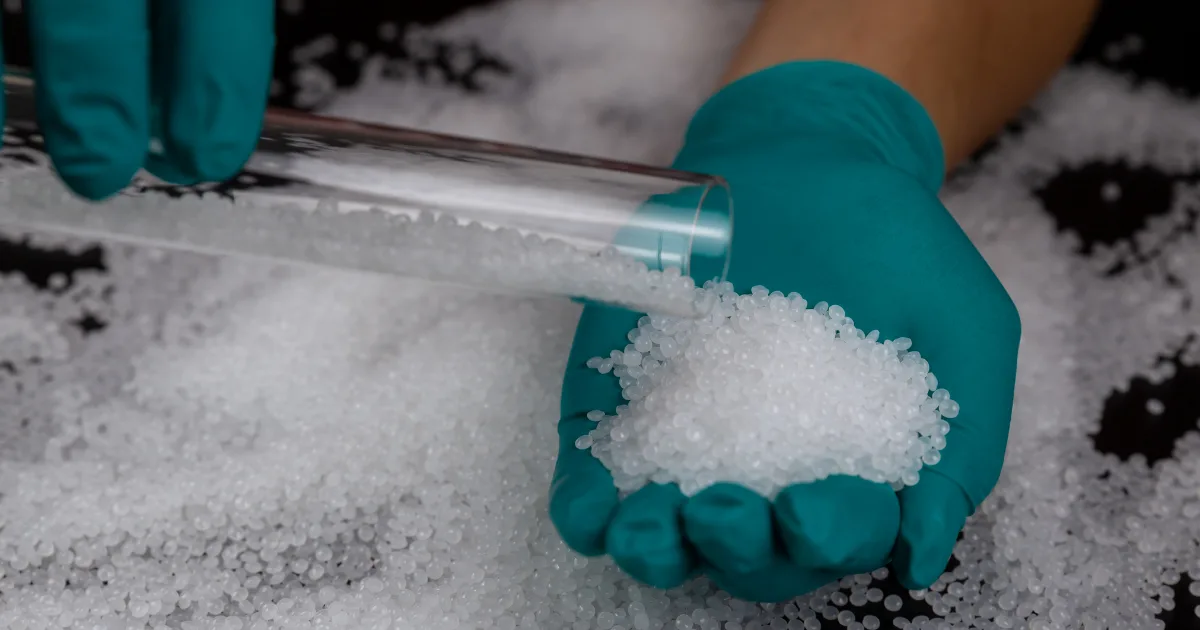
Carbonate minerals contribute to flame retardancy by absorbing heat during decomposition and releasing non‑flammable gases such as water vapour and carbon dioxide. These effects help cool the polymer surface and dilute combustible gases during a fire.
3. Why is staged thermal decomposition important?
Staged decomposition allows heat absorption and gas release to occur over a broader temperature range, rather than all at once. This improves fire resistance during both early ignition and later fire development stages.
UltraCarb benefits from this staged behaviour because hydromagnesite and huntite decompose at different temperatures.
4. How does UltraCarb support low‑smoke fire performance?
During a fire, the minerals in UltraCarb release inert gases and form a stable mineral residue. This combination can help suppress smoke formation and slow flame spread, supporting low‑smoke, halogen‑free material design.
5. Why are flame‑retardant fillers important in cable applications?
In cable insulation and sheathing, flame‑retardant fillers help meet fire‑safety standards while maintaining mechanical integrity. Mineral flame retardants are commonly selected for halogen‑free cable systems used in infrastructure, transport and building environments.
6. How does mineral flame retardancy affect polymer processing?
Mineral fillers can influence processing behaviour such as viscosity, dispersion and extrusion stability. Particle size distribution and morphology are important factors when formulating compounds for efficient processing and final performance.
7. Are mineral flame retardants compatible with different polymer types?
Mineral flame retardants are used across a wide range of polymer systems, including EVA, PVC, polyolefins, elastomers and rubber compounds. Compatibility depends on formulation design, filler loading and processing conditions.
8. Why is application language more important than mineral names?
Most customers do not search for raw mineral names when specifying materials. Instead, they search based on performance needs, such as fire safety, smoke reduction or regulatory compliance. Clear application‑level explanations help bridge the gap between mineral chemistry and real‑world use cases.
9. How do mineral flame retardants support sustainability goals?
Mineral‑based flame retardants are derived from naturally occurring materials and can help enable halogen‑free formulations. They support sustainability strategies by reducing reliance on halogenated systems while maintaining fire‑safety performance.

10. What industries commonly use HMH‑based flame retardants?
HMH‑based flame retardants such as UltraCarb are used across multiple industries, including:
- Building and construction
- Electrical and cable manufacturing
- Automotive components
- Industrial polymers and coatings
These applications benefit from a balance of fire performance, durability and regulatory compliance.
11. What factors should be considered when specifying a mineral flame retardant?
Specifiers typically evaluate:
- Fire‑performance requirements
- Decomposition temperature range
- Smoke behaviour
- Compatibility with the polymer system
- Processing performance
- Sustainability targets
Technical data and application testing are key to selecting the right solution.
12. How does mineral composition influence long‑term performance?
Stable mineral residues formed during fire exposure can contribute to improved barrier formation, helping slow heat transfer and flame propagation. Mineral composition and morphology both influence how this residue behaves under fire conditions.
Mineral flame retardants based on hydromagnesite-huntite combinations continue to play an important role in halogen‑free fire‑safe material design. By understanding how these minerals behave thermally and mechanically, specifiers and compounders can make informed decisions that balance fire performance, processing and sustainability.
Explore the UltraCarb product page for detailed technical data, grades and application guidance, and follow LKAB Minerals on LinkedIn for the latest insights, case studies and industry updates.