Every mineral we produce is refined through decades of expertise to meet modern industrial demands. From construction and agriculture to advanced manufacturing, our materials help industries build stronger, cleaner, and longer-lasting solutions.
This anhydrite mineral’s unique chemical composition and physical properties make it an excellent choice for industries requiring strength and durability. Whether you are producing concrete, speciality chemicals, or industrial materials.
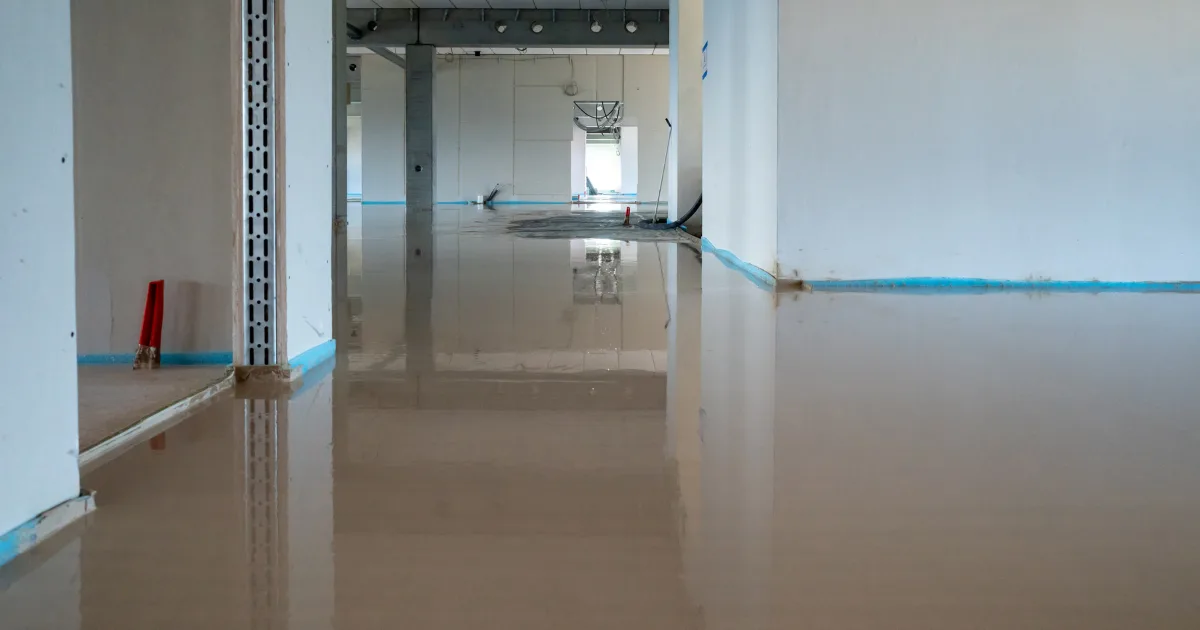
Andricite: Processed anhydrite for screed and self-levelling compounds.
Andricite is a premium mineral for anhydrite screed from LKAB Minerals. Valued for its versatility and high performance across diverse industrial applications ranging from self-levelling compounds to adhesives and sealants. Known for enhancing the quality and durability of plaster and cement, Andricite is also widely used in speciality chemicals, soil stabilisation, and construction materials.
Andricite can be distributed globally.
To watch this video, you need to allow for marketing cookies.
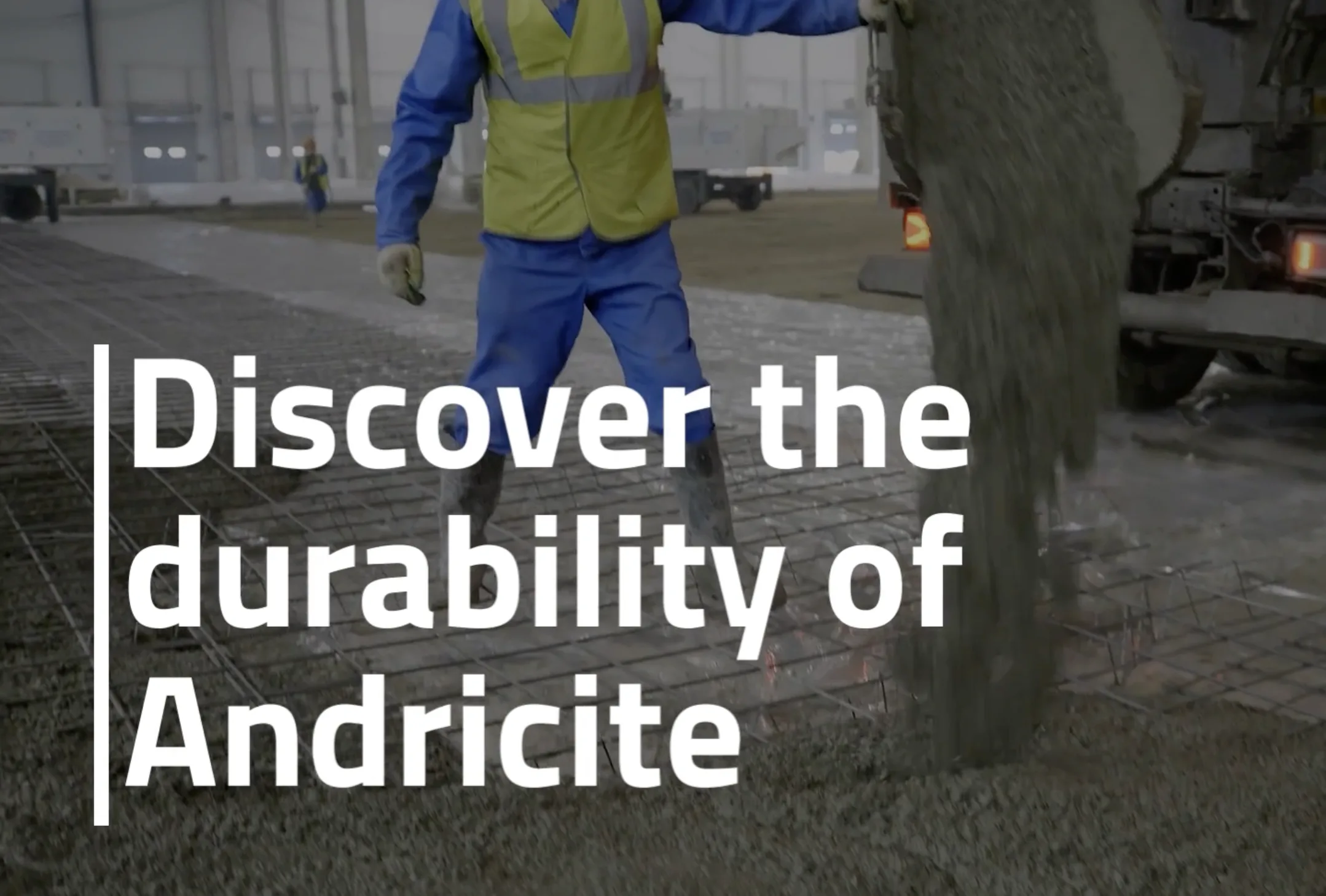
Discover the durability of our anhydrite mineral Andricite
Incorporating Andricite into your production process can improve performance, optimise operations, and enhance product quality to meet demanding standards in various sectors.
In the industrial process of making the fluorinated compound, we obtain our synthetic anhydrite as a by-product. By creating products from an existing process, we created the opportunity to develop new eco-technological products that have excellent performance both physical as well as mechanical.
Industrial applications for Andricite
Our customers use Andricite in the building and construction industry for:
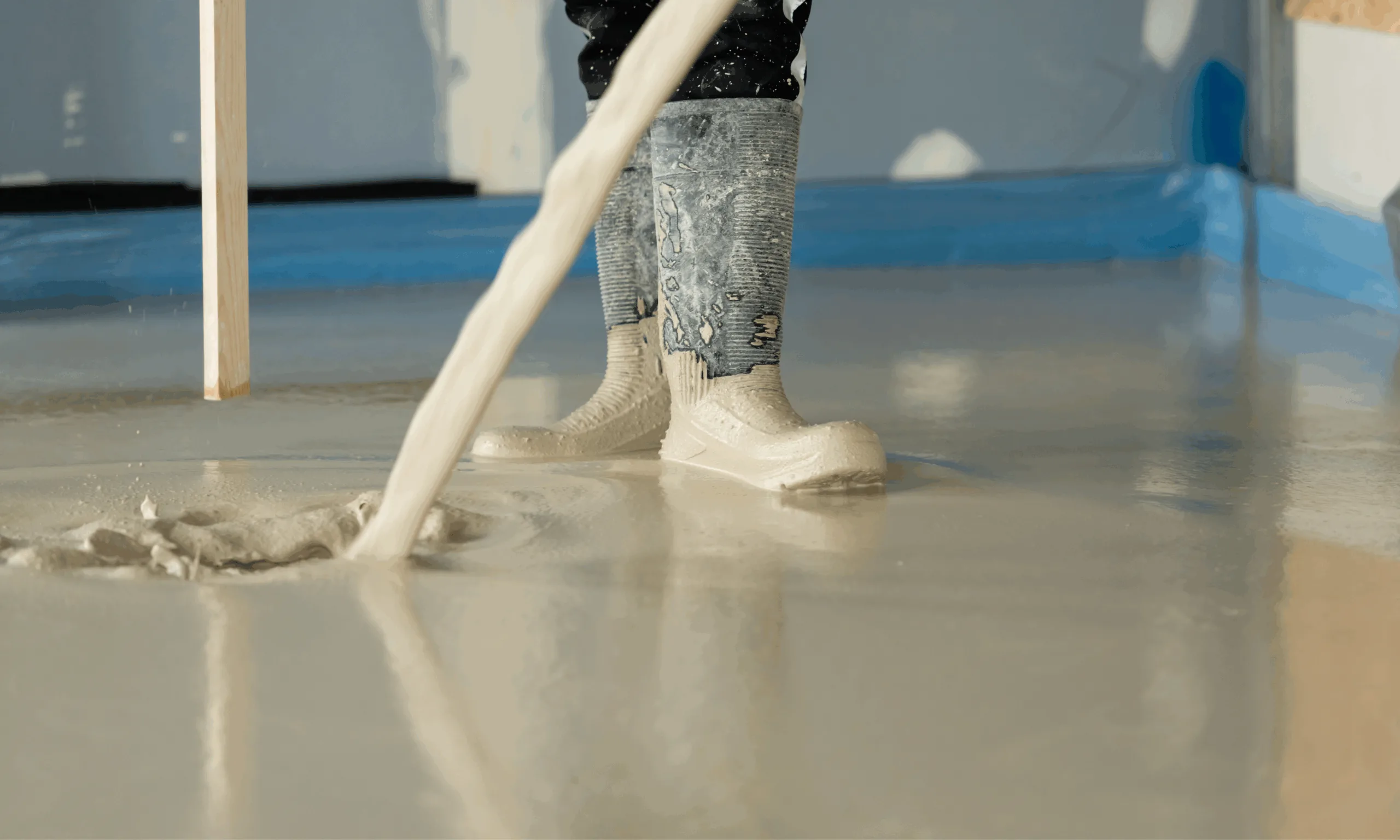
Floor screed / Gypsol
Aerated blocks
Carpet tiles
Building chemistry
In addition to the applications in the building and construction industry, we sell Andricite as a:
Plastic filler
Agricultural fertiliser
Besides the existing markets we see opportunities for our anhydrite product in the following applications:
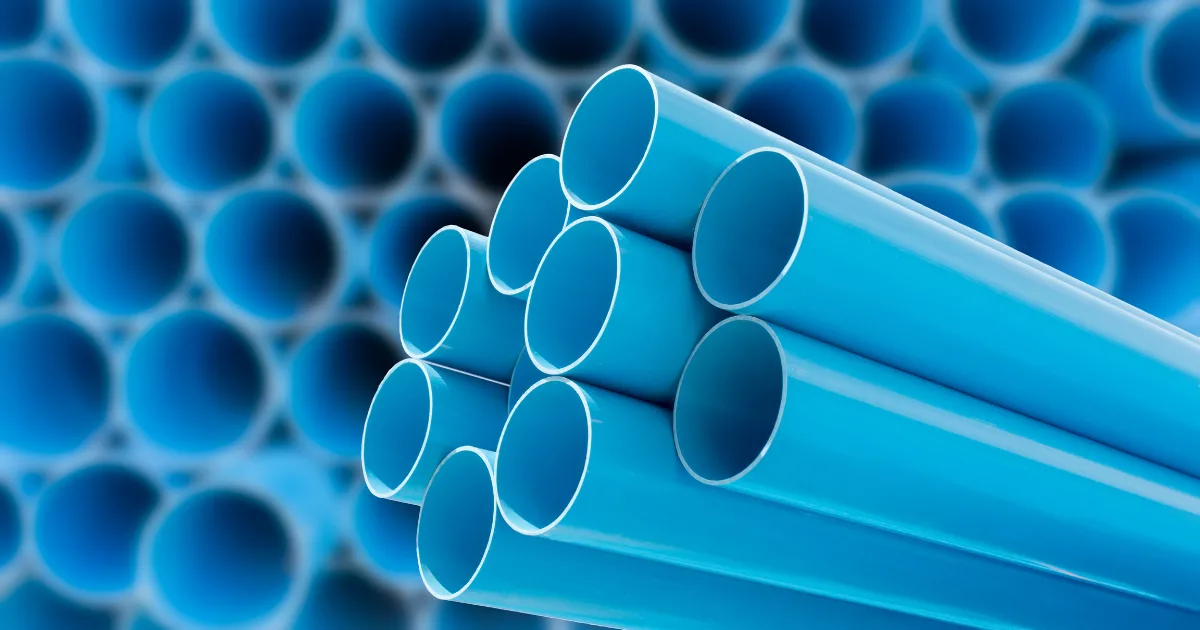
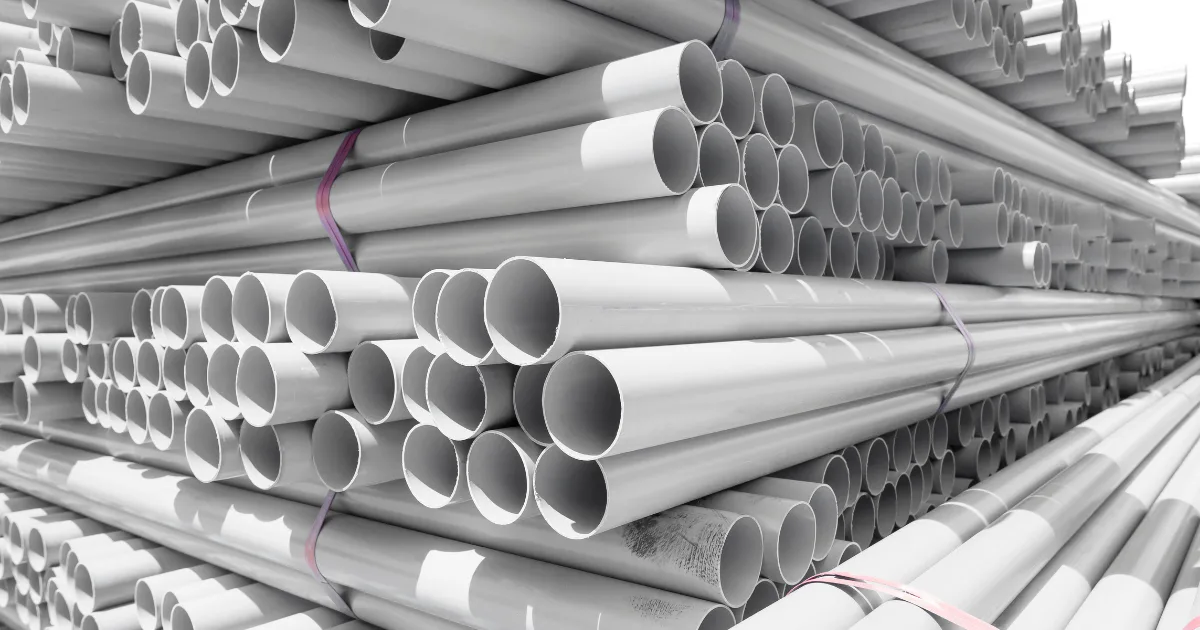
PVC pipe filler, because it has/can:
Withstand humidity
Tabular structure
Good transparency properties
Hardness 3.5 Mohs
Density 3.0 g/cm3
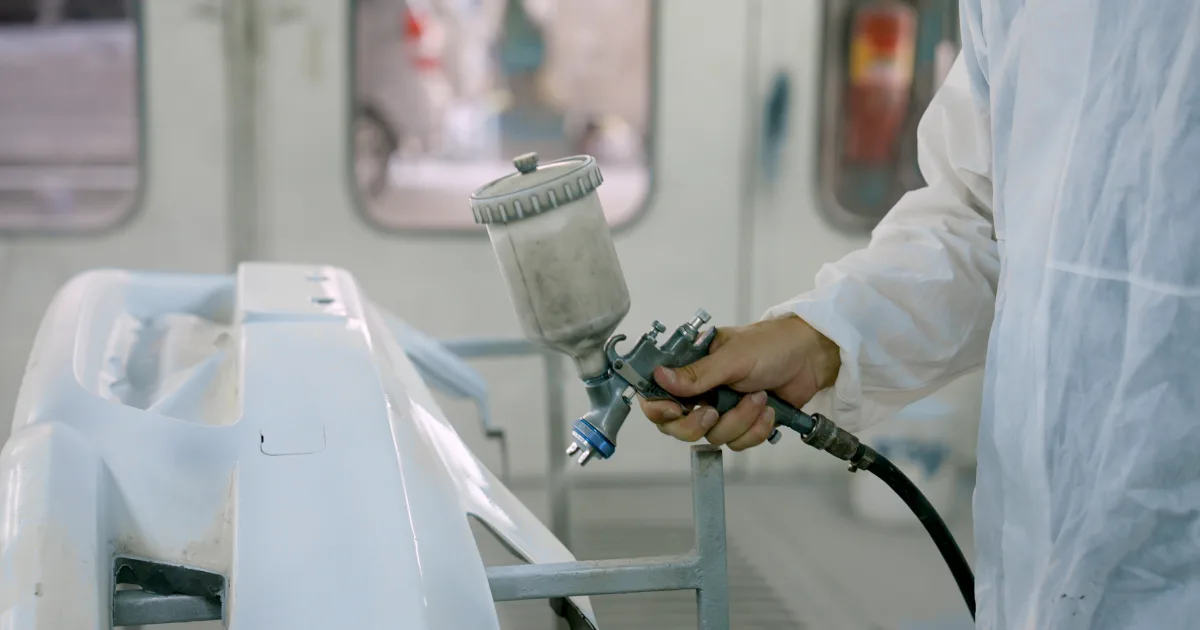
Industrial paints
Construction chemical
Clear lacquer system
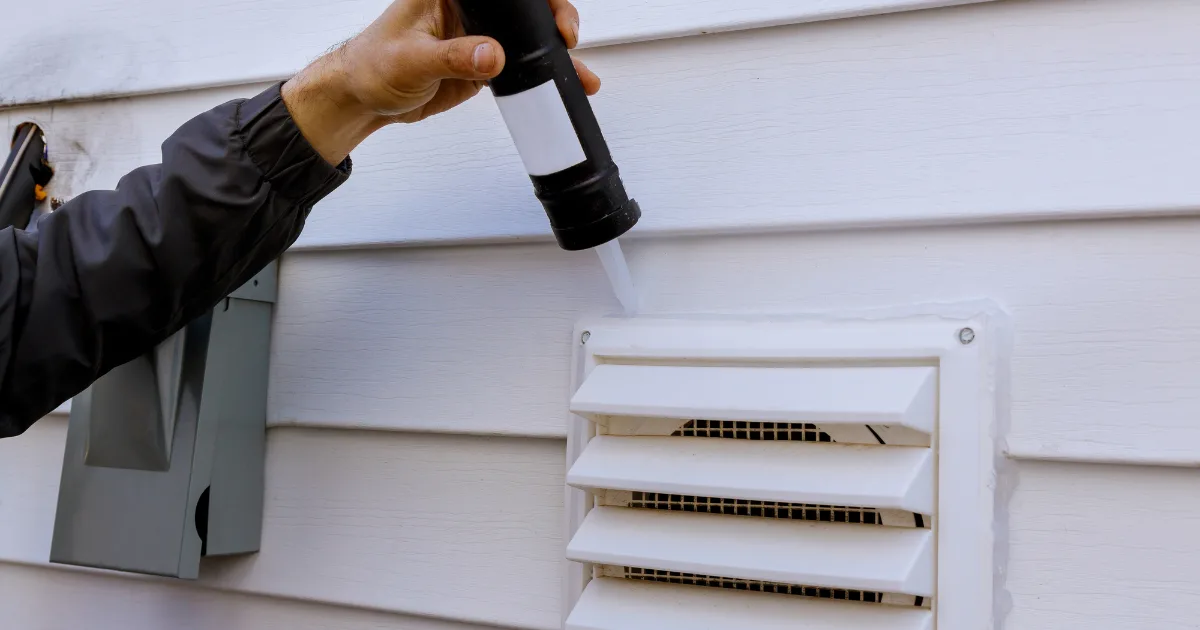
Adhesives
High-performance filler
Anhydrite product grades/portfolio
We offer:
Milled Andricite
Un-milled Andricite
Please contact our product sales specialists to obtain more information.
Andricite packaging and logistics
Our Andricite is available at Runcorn on a collected or delivered basis in:
Bulk
25kg bags
1250kg bags / 1.25t bags
Applications
Anhydrite is a natural mineral composed of calcium sulphate (CaSO₄), primarily used in cement, soil conditioning, and industrial applications. Some key applications include:
Cement & construction
Used as a drying agent and sulphate source in cement and flooring compounds.
Enhances strength, durability, and setting time in construction materials.
Soil conditioning & agriculture
Improves soil structure, aeration, and calcium levels for better crop yields.
Reduces soil compaction and enhances water drainage.
Industrial applications
Utilised in plaster, wallboard, and as a filler in coatings and paints.
Acts as a drying agent in various chemical manufacturing processes.
Self-levelling compounds
Commonly used in screeds and self-levelling flooring to improve hardness.
Provides improved consistency and setting properties in construction materials.
Glass & ceramics
Added to glass production to improve quality and reduce defects.
Used in ceramic applications for enhanced thermal and structural performance.
Improve your business' product quality with Andricite.
Andricite’s chemical structure and physical stability make it especially suited for industries where strength and longevity are critical. Whether incorporated as an additive to improve cement durability or as a component in soil stabilisation, Andricite delivers consistent, reliable results that meet the demands of large-scale projects, infrastructure development, and specialised industrial applications. For more details about this anhydrite mineral, you can contact us directly.
Anhydrite mineral Andricite FAQs
Andricite is primarily used as a synthetic anhydrite binder in self-levelling compounds, flowing screeds, and other building chemistry applications where controlled setting, workability, and dimensional stability are important.
Unlike natural gypsum, Andricite is anhydrous calcium sulphate (CaSO₄) rather than hydrated calcium sulphate. This difference affects how it behaves in formulations, particularly where controlled reactivity and predictable binder performance are required.
Manufacturers often choose synthetic anhydrite because it offers more consistent chemistry and particle behaviour, helping improve batch-to-batch formulation control in industrial production.
No. While screeds are a key application, Andricite is also used in building chemistry, aerated blocks, plastics, coatings, adhesives, and PVC filler systems.
In many mineral binder systems, Andricite can help support dimensional stability and reduce shrinkage-related movement when properly formulated.
Yes. In self-levelling and flowing formulations, Andricite can contribute to smooth flow characteristics and easier placement, particularly in large-area flooring applications.
Yes. Consistency of mineral composition and particle control make Andricite suitable for high-volume industrial production environments where predictable processing matters.
Yes. Depending on formulation goals, Andricite can be used alongside cementitious or calcium aluminate systems to tailor setting profile, strength development, and shrinkage control.
Title
Contact us today!
If you wish to have your personal data removed after submitting this form please contact us directly. See our privacy policy for contact details.