Cement replacement GGBS FAQs with answers
Ground Granulated Blast Furnace Slag (GGBS) is a key material in modern low-carbon construction. As a cement replacement mineral, it helps reduce embodied CO₂ while improving durability and long-term performance. Below, we answer the most common technical and specification questions to help contractors, engineers, and designers understand where GGBS fits in today’s concrete mix designs.
1. What is GGBS and why is it used in low-carbon concrete?
GGBS is a cement replacement mineral produced as a by-product of ironmaking. It is widely used in low-carbon concrete because it significantly reduces embodied carbon while maintaining strength and durability. For sustainable construction strategies supported by LKAB Minerals, GGBS plays a central role in lowering environmental impact without compromising performance.
2. How does GGBS reduce the carbon footprint of concrete?
GGBS has a much lower embodied CO₂ than traditional Portland cement. By replacing a proportion of cement in the binder, total emissions are reduced while still achieving structural performance requirements.
3. Is GGBS considered a cement replacement or an admixture?
GGBS is classified as a cement replacement mineral because it replaces part of the cement content and contributes directly to strength development rather than modifying fresh properties like a chemical admixture.
4. What percentage of cement can be replaced with GGBS?
Depending on project requirements, GGBS can replace up to around 70% of Portland cement. The exact proportion depends on strength targets, curing conditions, and durability exposure classes.
5. What are the durability benefits of using GGBS in concrete?
Concrete containing GGBS typically provides:
- Improved resistance to sulphate and chemical attack
- Lower heat of hydration
- Reduced permeability
- Extended service life
These characteristics make it particularly suitable for infrastructure and marine environments.
6. Does GGBS affect concrete strength development?
Yes. Early strength gain may be slower compared with CEM I mixes, but long-term strength is often equal or higher, especially in well-designed low-carbon concrete formulations.
7. In which applications is GGBS most commonly used?
GGBS is widely used in:
- Bridges and tunnels
- Foundations and basements
- Mass concrete pours
- Marine and coastal structures
These applications benefit from improved durability and thermal control.
8. How does GGBS improve workability in concrete mixes?
GGBS particles are smooth and fine, which enhances flowability and cohesion. This can improve pumpability and reduce the need for additional water or plasticisers.
9. Is GGBS suitable for sustainable building certifications?
Yes. Using GGBS can contribute to environmental rating schemes such as BREEAM or LEED by lowering embodied carbon and supporting responsible material sourcing.
10. How does GGBS compare with other cement replacement minerals?
Compared with materials like fly ash or Calcined Clay, GGBS is particularly valued for its durability benefits and ability to achieve high replacement levels while maintaining consistent performance.
11. Does GGBS change the appearance of concrete?
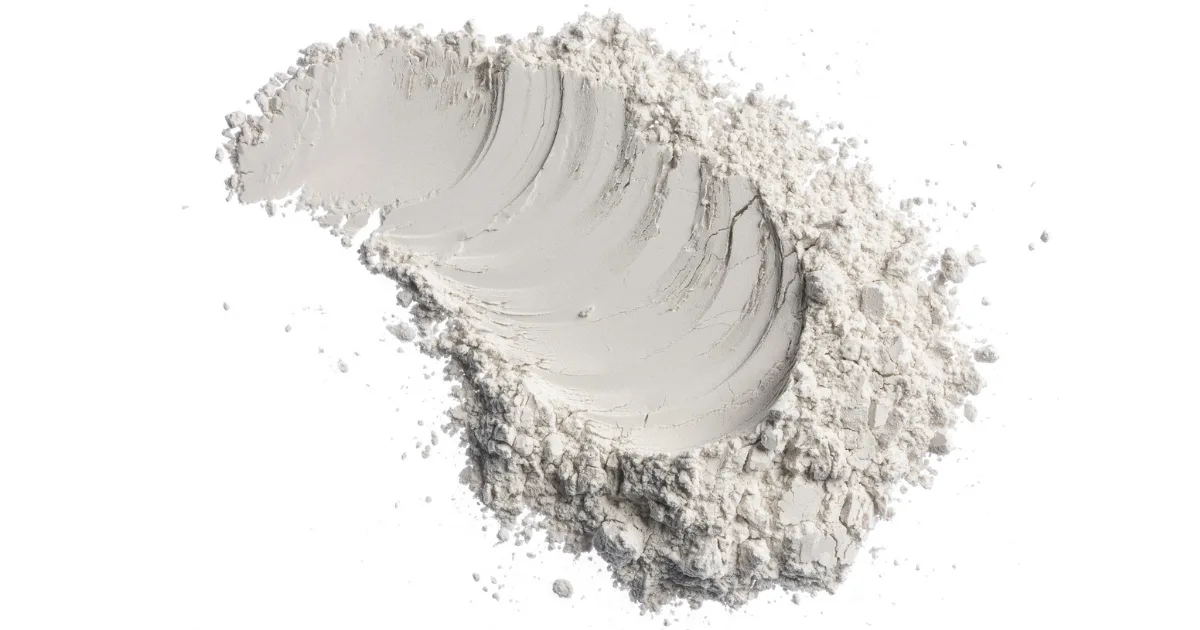
Concrete made with GGBS is typically lighter in colour than standard Portland cement concrete, which can be beneficial for architectural finishes and improved light reflectance.
12. Is GGBS compliant with construction standards?
Yes. GGBS is produced to recognised standards such as BS EN 15167, ensuring consistent quality and performance for structural and infrastructure applications.
GGBS is trusted across infrastructure, commercial, and civil engineering projects for its durability, performance, and carbon-reduction benefits. Whether you’re designing for long service life, thermal control, or sustainability targets, it provides a reliable solution backed by technical data and real-world experience.
Explore the full GGBS product information, technical documentation, and project insights on the product page, and follow LKAB Minerals on LinkedIn for the latest updates, case studies, and industry guidance.