Durability duo: GGBS and Limestone filler for long life concrete
Concrete remains the most widely used building material in the world, valued for its versatility, strength, and longevity. Yet the industry faces the dual challenge of improving durability while reducing environmental impact. One of the most effective ways to achieve both goals is through thoughtful selection of supplementary materials – particularly combining Ground Granulated Blast Furnace Slag (GGBS) and Limestone filler to create long life concrete that performs reliably over decades.
At LKAB Minerals, our cement and binder solutions include both GGBS and Limestone filler, providing a proven foundation for creating durable, low-carbon concrete that meets modern performance requirements.
Why GGBS matters
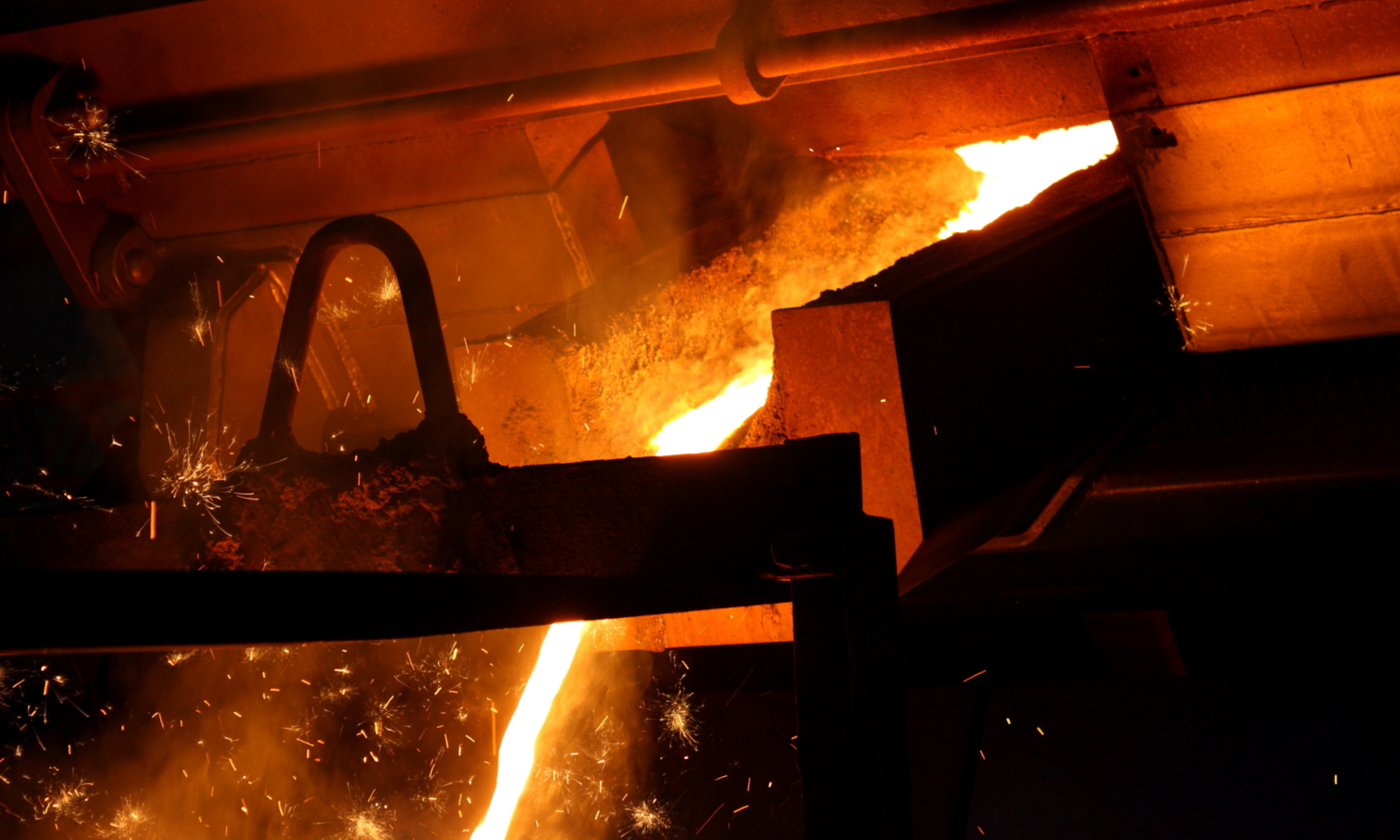
GGBS is a well-established SCM derived from the by-product of iron and steel production. When molten slag is rapidly cooled, dried and ground, it becomes a fine latent hydraulic material that contributes to concrete strength and durability in combination with Portland cement.
In concrete design, GGBS offers a range of benefits:
- Improved resistance to chloride and sulphate attack
- Reduced heat of hydration, lowering risk of thermal cracking
- Longer strength gain profile, supporting high-performance concrete
- Enhanced workability and finish quality
Because GGBS replaces a portion of clinker – the most carbon-intensive component of cement – it also contributes to the reduced embodied carbon of concrete.
The role of Limestone filler
Limestone filler is a finely ground mineral that improves concrete performance through physical effects rather than chemical reactivity. By optimising particle packing and reducing void space in the cementitious matrix, Limestone filler enhances workability and finish while supporting lower overall cement content.
Key benefits include:
- Improved flow and placement characteristics
- Enhanced surface finish in architectural applications
- Support for reduced clinker factor and CO₂ intensity
- Predictable, consistent performance due to controlled particle size
In the UK, Limestone filler is widely used in ready-mix and infrastructure applications, helping producers meet both technical and environmental targets.
Combining GGBS and Limestone filler for long life concrete
When GGBS and Limestone filler are used together in concrete, they offer complementary benefits:
Enhanced durability: GGBS contributes to a denser microstructure with improved resistance to environmental attack, while Limestone filler improves particle packing, reducing permeability and enhancing barrier properties.
Lower carbon footprint: Both materials help reduce the cement clinker content of mixes. GGBS replaces clinker chemically, while Limestone filler allows for mix optimisation that further reduces embodied carbon, creating more sustainable concrete.
Balanced workability: Limestone filler often improves fresh concrete rheology, supporting easier placement and finishing – an advantage in both precast and cast-in-place applications.
Extended service life: Concrete with a well-balanced blend of GGBS and Limestone filler can deliver greater longevity in demanding environments such as marine structures, bridges, tunnels and high-performance buildings.
Practical mix design tips
Designing concrete with both GGBS and Limestone filler requires careful consideration of proportions and performance goals. Some general guidance includes:
- Start with performance targets: Determine whether durability, early strength, or carbon reduction is the priority.
- Use bench-scale testing: Trial blends help refine mix design before full-scale production.
- Consider local standards: Compliance with standards such as BS 8500 supports successful design and specification.
Supporting responsible infrastructure
Together, GGBS and Limestone filler provide a durability duo that supports both long-term performance and environmental responsibility. From large infrastructure projects to commercial and residential construction, these materials help producers balance technical requirements with sustainability commitments.
To learn more about designing durable, low-carbon concrete with GGBS and Limestone filler, visit the LKAB Minerals cement and binder solutions page or speak with our technical team for bespoke mix design support. You can also follow LKAB Minerals on LinkedIn for the latest product updates, case studies, and industry insights.