Gypsol liquid flowing screed FAQ with answers
1. What is Gypsol and how does it differ from traditional sand-cement screeds?
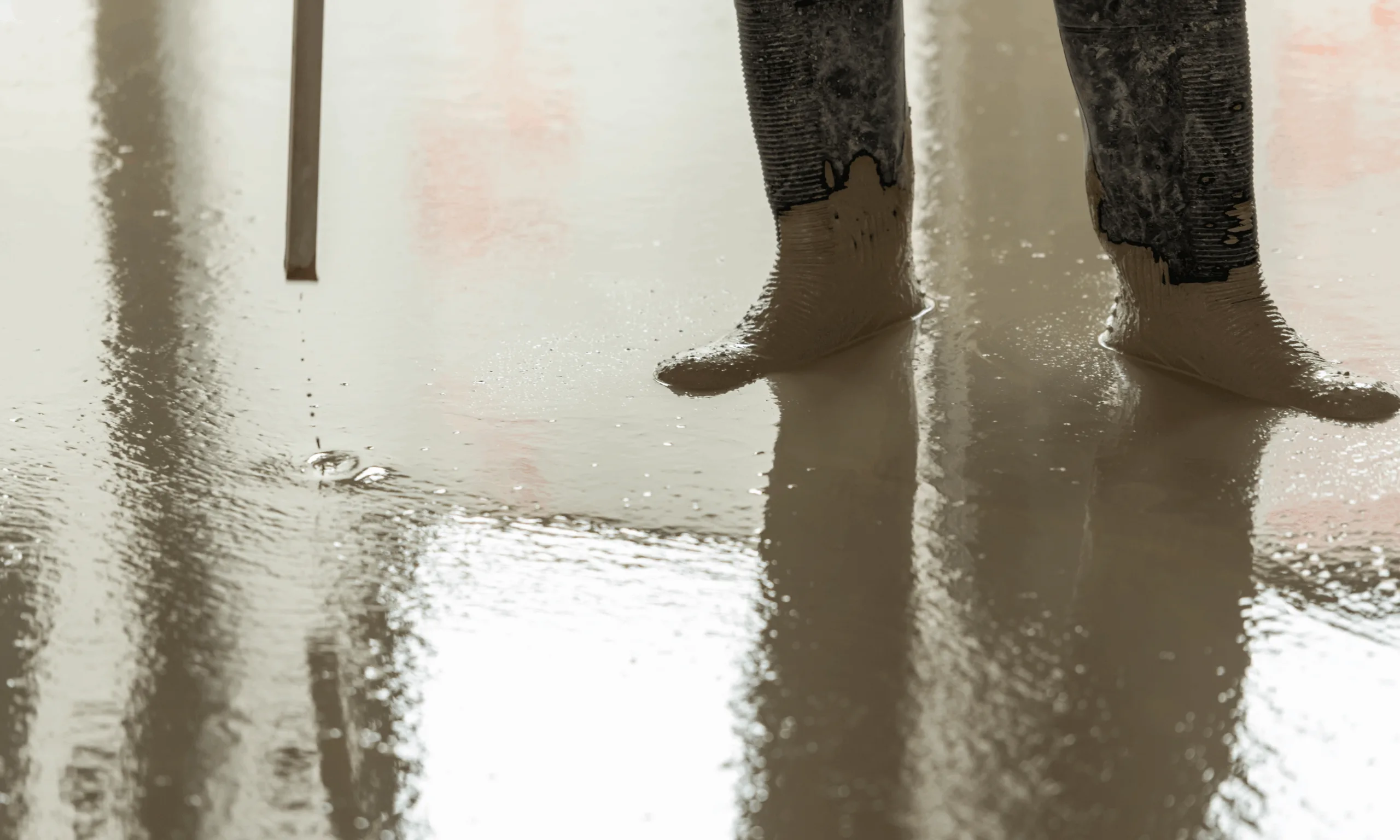
Gypsol is a high-performance anhydrite-based liquid screed binder designed for smooth, self-levelling floors. Unlike traditional sand-cement screeds, Gypsol offers superior flow characteristics, faster drying times, and more consistent strength. It is ideal for high-precision floors in commercial and residential projects, reducing labour time and achieving a flatter surface finish.
2. What Gypsol products are available and how do they differ?
The Gypsol range includes specialist screeds and system additives to suit different construction requirements:
- Classic: Standard liquid screed for general-purpose use.
- Rapide: Fast-drying variant for quick project turnover.
- HTC (High Thermal Conductivity): Optimised for underfloor heating and cooling systems.
- TS-15: Ultra-thin screed for bonded and unbonded applications from 15 mm depth.
- TS-20: Thin screed suitable for bonded and unbonded applications from 20 mm depth.
- TimBRE: Acoustic screed for timber floors and timber-supported structures.
- XS: Extra-strength screed for heavy-duty applications with higher loading requirements.
- Summit: Designed for pumped installations over long distances or high-rise buildings.
- Modular: Suitable for modular construction and lightweight steel frame decks, allowing early unit movement.
- Gypsol Zero Laitance (ZL): A specialist additive for Rapide, HTC, and TS-15 that eliminates surface laitance, removes the need for sanding, accelerates project delivery, and supports lower-carbon construction.
3. How does Gypsol contribute to low-carbon construction?
Gypsol reduces embodied carbon by replacing part of the cement content with anhydrite binder. Just like our other supplementary cementitious materials GGBS or Calcined Clay, it significantly lowers CO₂ emissions compared to traditional sand-cement screeds, aligning with LKAB Minerals’ environmentally responsible agenda.
4. What are the ideal thicknesses for Gypsol screeds in residential and commercial buildings?
Typical thicknesses range from 15 mm for thin screeds (TS‑15/TS‑20) up to 65 mm for heavy-duty commercial floors. Gypsol’s self-levelling properties ensure consistent coverage even at minimal thickness.
5. How do Gypsol screeds perform with underfloor heating systems?
Gypsol HTC variant is engineered for underfloor heating, offering excellent thermal conductivity and rapid heat response. Its low shrinkage and uniform density prevent cracking and maximise energy efficiency.
6. What is the drying time for Gypsol screeds, and how does it compare to cement screeds?
Drying times vary by variant and thickness but typically range from 2 to 7 days for standard thicknesses, significantly faster than cement-based screeds, which can take up to 28 days to fully cure. Using Gypsol Zero Laitance (ZL) further accelerates project delivery by eliminating sanding.
7. Can Gypsol screeds be used in high-rise or pumped applications?
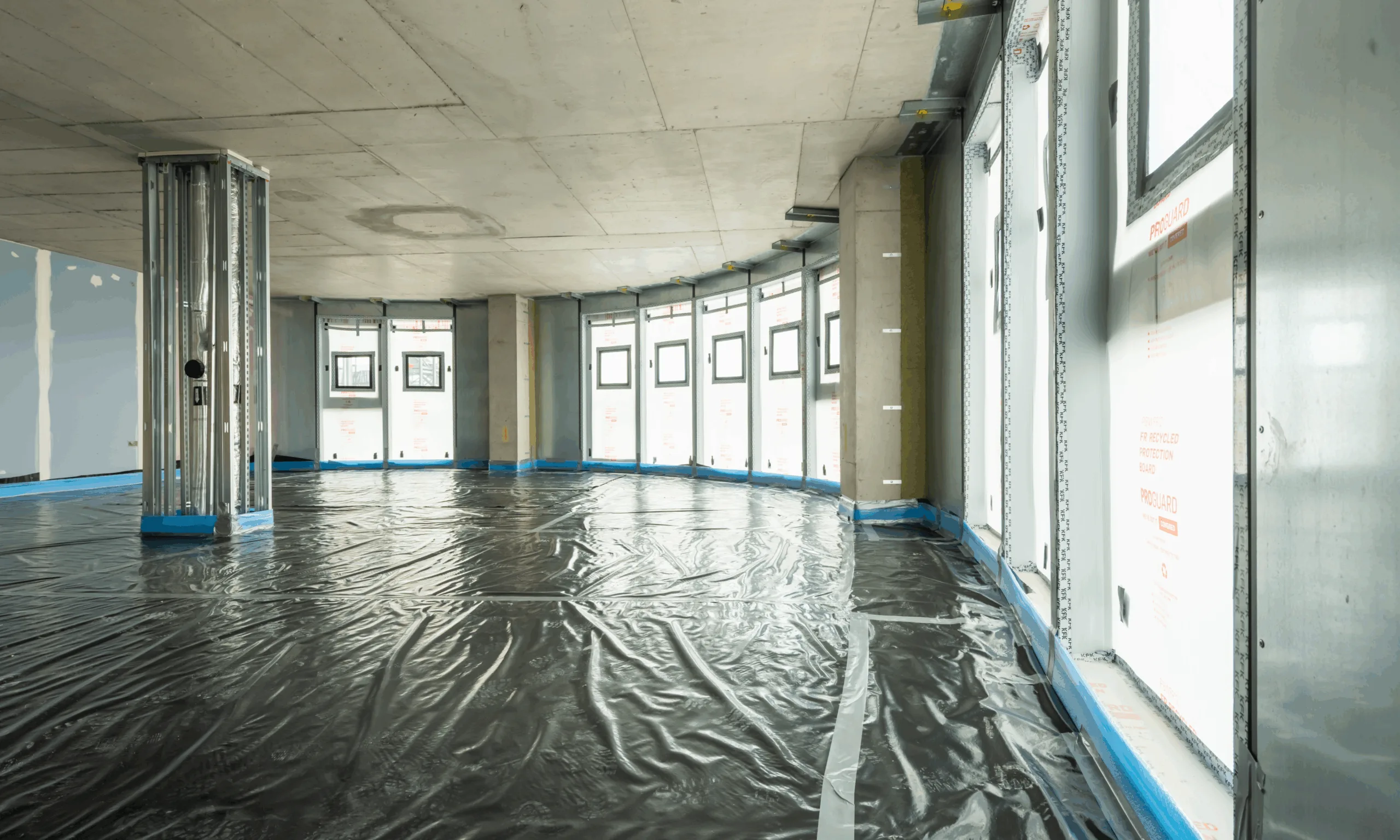
Yes, the Summit variant is specifically designed for pumped installations, maintaining flowability over long distances without segregation, ideal for multi-storey buildings.
8. How does Gypsol improve acoustic and thermal performance in flooring?
TimBRE screeds provide acoustic insulation, reducing impact sound transmission on timber subfloors. Gypsol’s uniform density also supports even heat distribution in underfloor heating, improving thermal comfort and energy efficiency.
9. What technical documentation is available for Gypsol (EPDs, DoPs, ISO certificates)?
All Gypsol products come with data sheets which can be found under the documentation tab on the Gypsol product page. Environmental Product Declarations (EPDs) and ISO 14025 certifications can be found on the environmental information tab. These provide verified performance metrics, environmental impact data, and quality assurance for specifiers.
10. How is Gypsol mixed and applied on site?
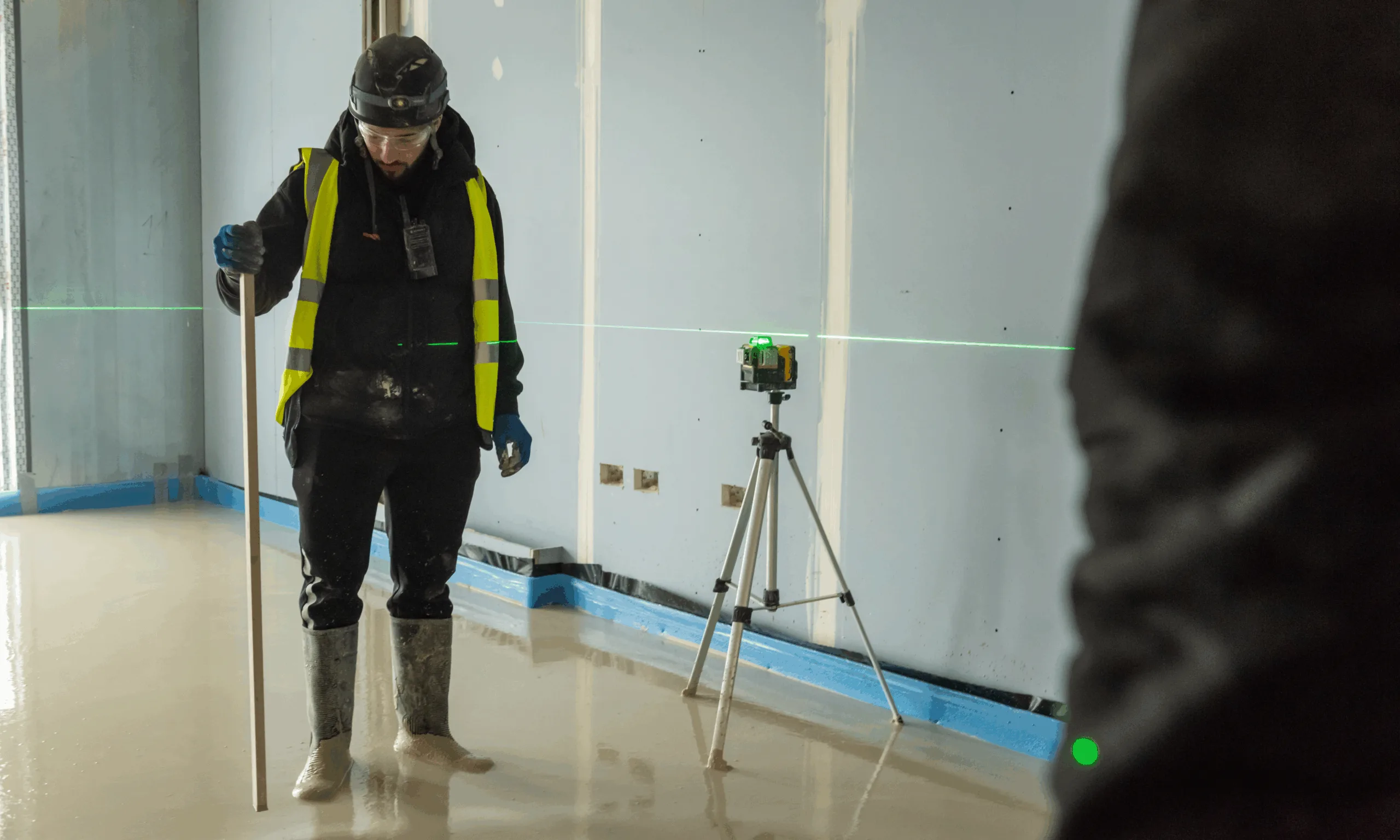
Gypsol is supplied as a dry powder or pre-blended mix, combined with water and poured directly onto the prepared subfloor. Its self-levelling properties minimise manual finishing, and standard pumping equipment can be used for large projects.
11. Are there environmental or sustainability certifications associated with Gypsol?
Yes. Gypsol is recognised for its lower carbon footprint compared to traditional screeds. Independent EPDs verify its environmental impact, and it supports projects targeting BREEAM or LEED sustainability standards.
12. Where can specifiers and contractors find case studies or calculators for Gypsol installations?
LKAB Minerals provides full support for Gypsol projects. We can conduct laboratory tests on screeds to verify performance, provide real-world case studies from completed installations, and deliver CPD sessions to help specifiers and contractors stay up to date with best practices and innovations in low-carbon, high-performance screeds.
Want to learn more about Gypsol liquid flowing screeds?
Gypsol screeds are trusted across residential, commercial, and infrastructure projects for their performance, reliability, and lower-carbon credentials. From thin floor build-ups to underfloor heating and high-rise installations, the Gypsol range offers solutions backed by technical data, EPDs, and real-world case studies.
Explore the full Gypsol product range, download technical documentation, and access calculators and guidance to support your next project on the Gypsol product page. Stay up to date with the latest innovations from LKAB Minerals! Follow us on LinkedIn for product updates, case studies, technical insights, and industry news.