Low carbon blends: practical cement mix design with Calcined Clay
As the construction industry steps up efforts to reduce carbon emissions, materials that support low-carbon concrete without compromising performance are becoming essential. One of the most effective ways to lower the embodied carbon of concrete is through the use of supplementary cementitious materials (SCMs). Among these, Calcined Clay is emerging as a practical and scalable solution for low-carbon cement blends, making it a key consideration in practical cement mix design – combining environmental performance with reliable technical behaviour.
At LKAB Minerals, our Calcined Clay product is part of a broader suite of cement and binder solutions designed to support both environmental responsibility and performance in modern concrete mix design. Used alongside traditional cement and other SCMs, calcined clay enables producers to reduce clinker content – the principal source of carbon dioxide in concrete – while maintaining strength and durability.
What is Calcined Clay?
Calcined Clay is a finely ground pozzolanic material produced by heating clay to a controlled temperature that activates its reactivity in cementitious systems. Instead of acting as an inert filler, Calcined Clay participates in the hydration process, reacting with calcium hydroxide released by Portland cement to form additional cementitious compounds. This contributes to strength development and improved microstructure over time.
At LKAB Minerals, the clay used in our product is sourced and processed to deliver consistent performance and compatibility with established construction standards such as BS 8500. As a Supplementary Cementitious Material (SCM), our Calcined Clay can replace a significant proportion of Portland cement in concrete mixes – up to approximately 35 percent in many typical applications – offering a meaningful step towards reduced carbon intensity without sacrificing performance.
Practical mix design considerations
When incorporating Calcined Clay into low-carbon cement blends, there are several practical mix design principles to keep in mind:
Clinker replacement: Calcined Clay replaces a portion of the clinker phase in cement. Lower clinker content directly reduces CO₂ emissions associated with cement production. In many mix designs, Calcined Clay can be paired with traditional cement and other SCMs such as Ground Granulated Blast Furnace Slag (GGBS) to strike a balance between performance and carbon reduction.
Reactivity and strength development: Calcined Clay provides pozzolanic reactivity, contributing to the formation of additional calcium silicate hydrate (C-S-H) gel. This can enhance long-term strength and reduce permeability, making it suitable for both precast concrete and large-scale infrastructure applications.
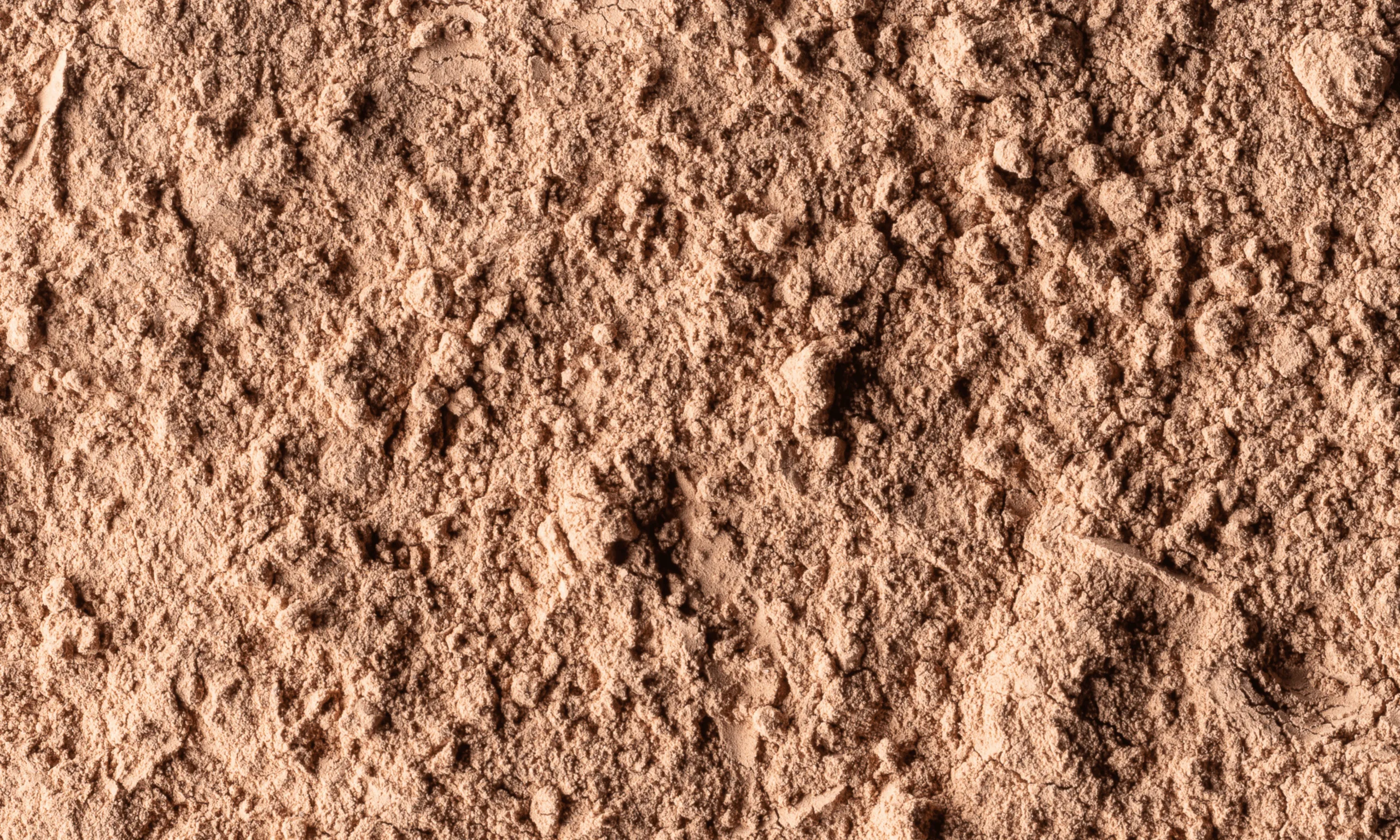
Durability performance: Calcined Clay helps refine the pore structure of concrete, improving resistance to common durability challenges such as chloride ingress and sulphate attack. It also supports better dimensional stability, which is particularly useful in structures where long-term performance matters.
Workability: While Calcined Clay contributes to strength and durability, it can also influence workability due to its surface characteristics. Adjustments to water content, admixture dosage, or particle packing may be needed to maintain the desired fresh properties of the concrete.
Blending with other SCMs
Calcined Clay can be used in combination with other SCMs such as GGBS. This approach takes advantage of the strengths of each material:
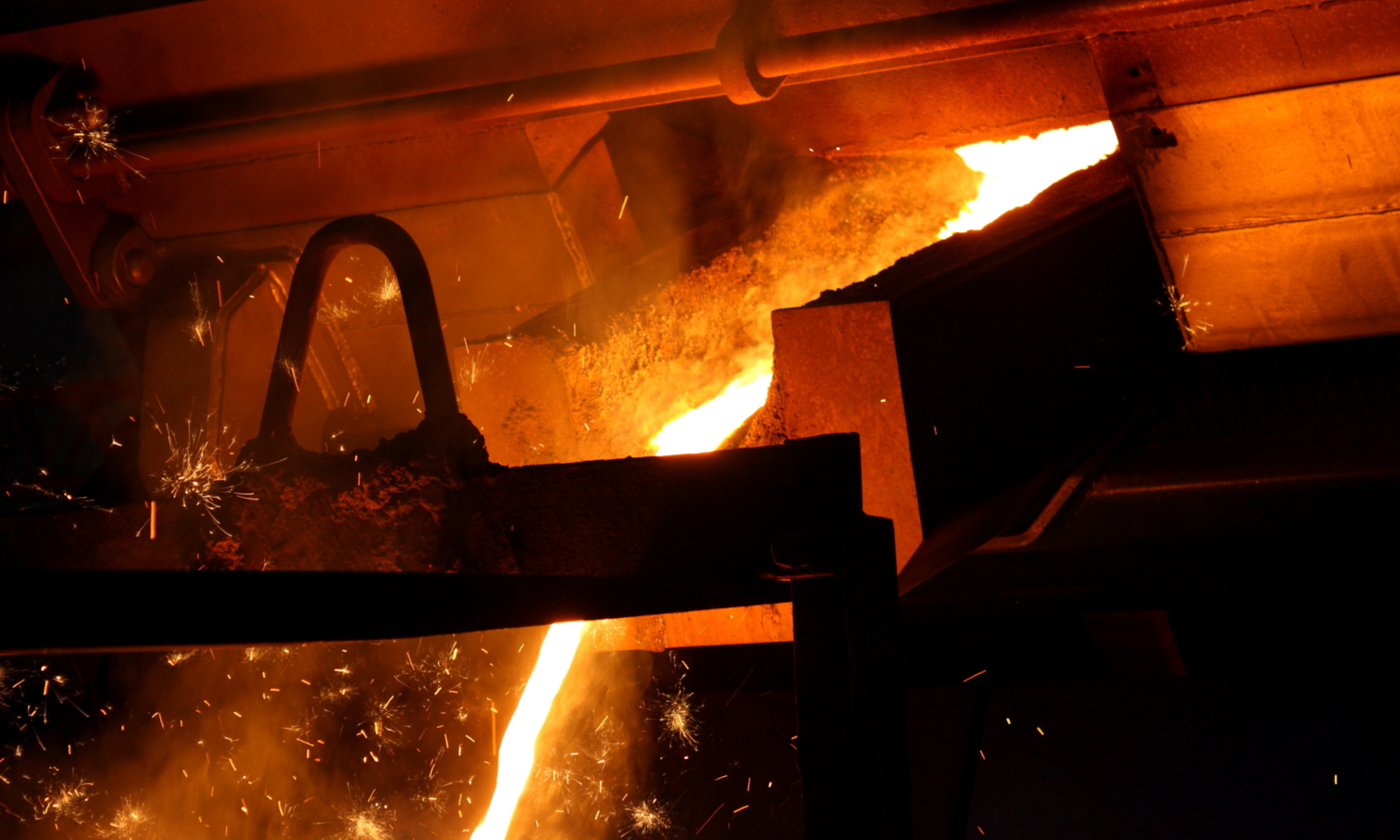
- GGBS is produced from the granulated by-product of iron and steel production and has a proven track record in improving durability, reducing heat of hydration, and extending service life in concrete structures.
- When combined with Calcined Clay, the blend benefits from both the reactivity of the pozzolan and the latent hydraulic properties of GGBS, creating a mix that supports low carbon intensity with enhanced performance.
Choosing the right combination depends on project requirements, desired performance characteristics, and environmental targets.
Regulatory and practical benefits
One of the advantages of using Calcined Clay in concrete is its compatibility with existing standards. Materials such as SGMs are referenced within current cement and concrete standards, making them easier to adopt at scale. This means producers can integrate low-carbon blends into existing quality control frameworks without reinventing technical procedures.
Because Calcined Clay can be sourced and processed domestically, it also supports local supply chain resilience, reducing reliance on imported SCMs and helping to lower transport-related emissions.
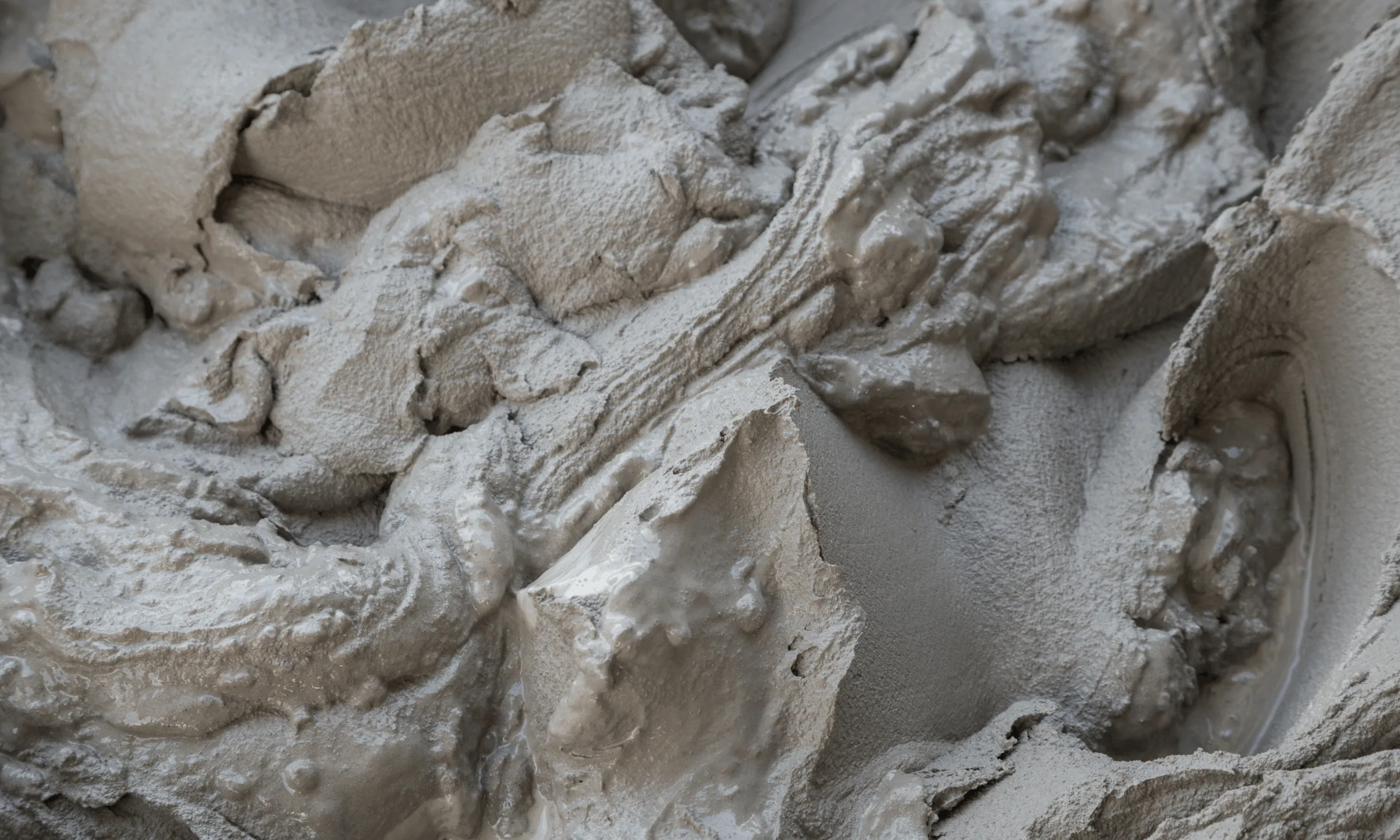
Driving responsible construction
As low carbon becomes a core consideration in building projects, the practical integration of material alternatives like Calcined Clay will continue to grow. It provides a tangible path to lower emissions while supporting the performance expectations of engineers, specifiers and contractors. By embracing SCMs such as Calcined Clay within concrete mix design, the industry can make real progress toward more sustainable built environments.
To explore how Calcined Clay can support your next project with both environmental and technical benefits, visit our cement and binder solutions page or speak with our technical team for tailored guidance. You can also follow LKAB Minerals on LinkedIn for the latest product updates, case studies, and industry insights.