What is Calcined Clay? A complete guide to low-carbon concrete and cement alternatives
Reducing carbon emissions in construction is now a major priority, with concrete production alone responsible for a significant share of global CO₂ output. One of the most effective ways to lower this impact is by reducing the amount of Portland cement used in concrete. Calcined Clay has emerged as a highly promising solution for those searching for cement alternatives. As a supplementary cementitious material (SCM), it allows concrete producers to reduce clinker content while maintaining performance, durability, and long-term strength.
What is Calcined Clay?
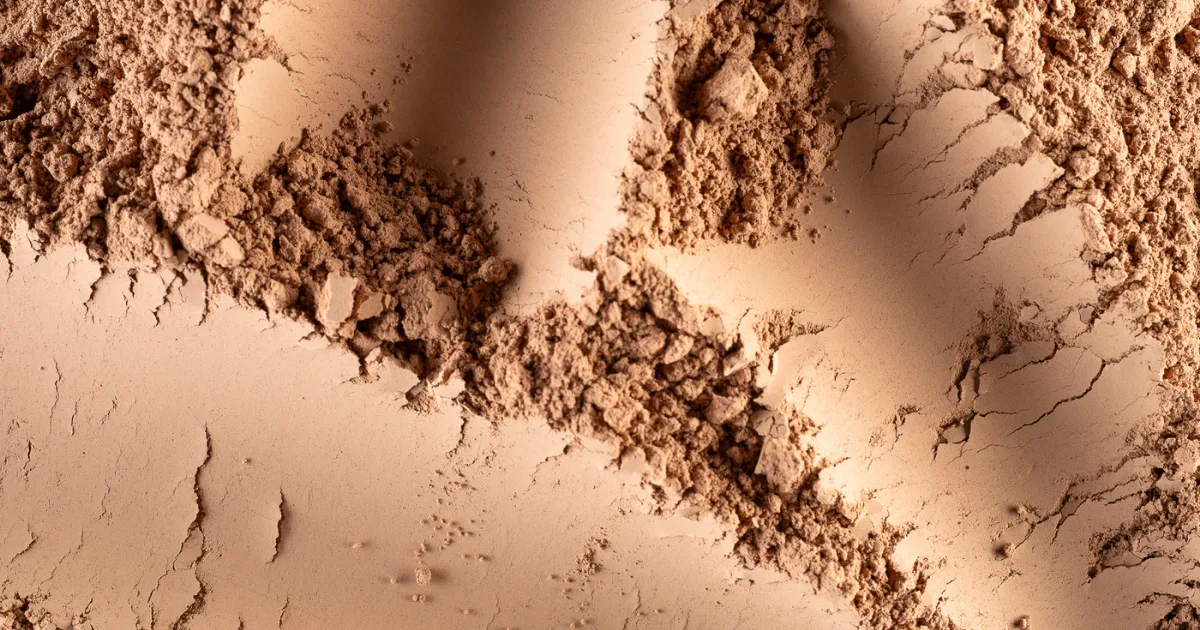
Calcined Clay is a pozzolanic material produced by heating natural clay or clay-based materials to activate their chemical reactivity.
During this process, the clay undergoes structural changes that make it reactive in cement systems. When blended into concrete, Calcined Clay reacts with calcium hydroxide released during cement hydration to form additional binding phases.
Unlike inert fillers, Calcined Clay actively contributes to the performance of concrete, making it a valuable component in modern low-carbon mix designs.
How is Calcined Clay produced?
The production process plays a critical role in its performance:
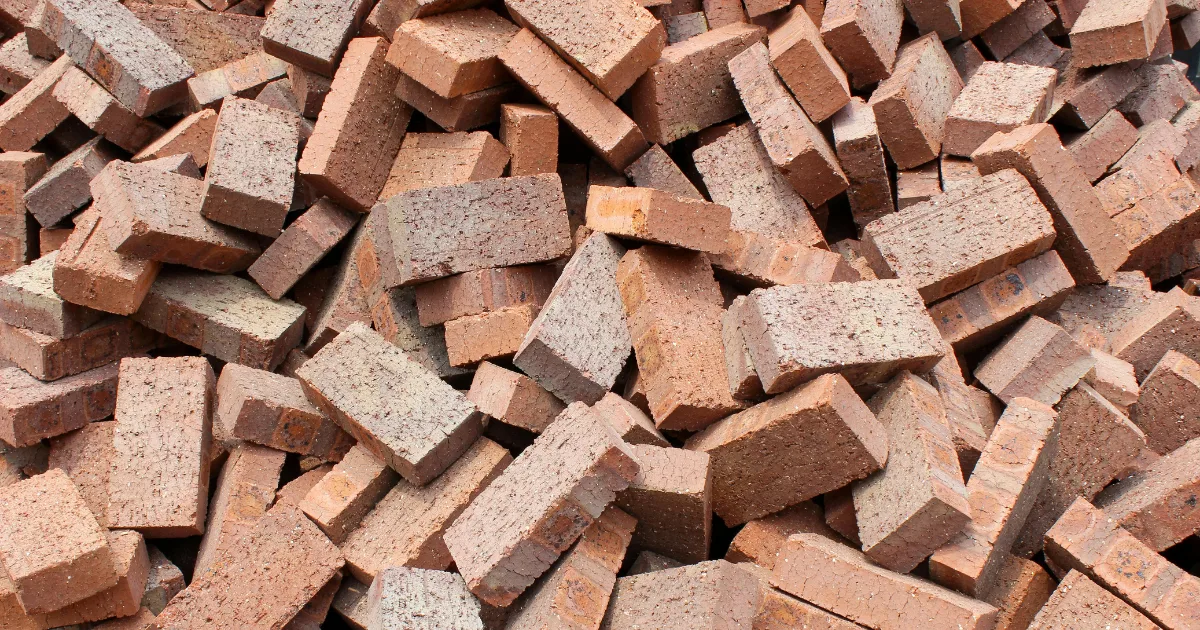
Raw material sourcing: Natural clays or recycled clay-based materials such as fired bricks.
Calcination (thermal activation): Heated typically between 700 to 850°C to activate pozzolanic properties.
Grinding and processing: Material is milled into a fine powder for optimal reactivity and dispersion.
Some modern approaches – including LKAB Minerals’ product – use already-fired brick waste, removing the need for energy-intensive calcination and significantly lowering embodied carbon.
How does Calcined Clay work in concrete?
Calcined Clay works through a process known as pozzolanic reaction, which enhances cement hydration.
When Portland cement hydrates, it produces calcium hydroxide. Calcined Clay reacts with this compound to form additional cementitious phases such as calcium-alumino-silicate hydrates.
This leads to:
- Increased long-term strength
- Reduced porosity
- Improved durability
- Better resistance to chemical attack
These reactions contribute to a denser microstructure and improved performance over time.
Why is Calcined Clay important for low-carbon concrete?
1. Reduces CO₂ emissions
Cement production is responsible for a significant proportion of construction-related carbon emissions. Replacing clinker with Calcined Clay offers a direct reduction:
- Replacement levels can range from 10% to 60% depending on design
- Systems like LC3 achieve 30–40% lower CO₂ emissions
2. Supports circular construction
Calcined Clay can be produced from recycled materials, such as brick waste diverted from landfill. This approach:
- Reduces waste
- Minimises raw material extraction
- Supports circular economy principles
3. Maintains or improves performance
Well-designed mixes using Calcined Clay can:
- Achieve comparable or higher 28-day strength
- Improve resistance to chloride ingress and sulphates
- Reduce permeability
Calcined Clay vs other cement alternatives
Calcined Clay is part of a wider group of SCMs used to reduce cement content:
Unlike some SCMs, Calcined Clay is abundant globally, making it a scalable solution for decarbonisation.
Key benefits of Calcined Clay
- Lower embodied carbon in concrete
- Improved durability and chemical resistance
- Enhanced long-term strength development
- Reduced permeability and refined pore structure
- Compatible with modern cement standards
Typical applications
Calcined Clay is used across a wide range of construction applications:
- Ready-mix concrete
- Precast elements
- Infrastructure and civil engineering
- Mass concrete pours
Its performance characteristics make it particularly suited to projects where sustainability targets must be achieved without compromising structural integrity.
How much cement can Calcined Clay replace?
The proportion of cement replacement depends on mix design and application:
- Commercial applications: ~10 to 35% replacement
- Research-level blends: up to ~60%
Achieving optimal performance requires balancing reactivity, particle size, and curing conditions.
Calcined Clay is a practical and scalable solution for producing low-carbon concrete. By reducing clinker content while enhancing durability and strength, it offers a powerful pathway for the construction industry to meet sustainability goals without compromising performance. To learn more about how our Calcined Clay can enhance your projects, visit our product page or contact our technical team. You can also follow LKAB Minerals on LinkedIn for the latest product updates, agricultural insights and industry news.
What is Calcined Clay used for?
Calcined clay is used as a supplementary cementitious material to replace part of Portland cement in concrete, reducing carbon emissions while maintaining strength and durability.
How does Calcined Clay reduce carbon emissions?
It reduces the amount of clinker required in cement production, which is the largest source of CO₂ in concrete manufacturing.
What is LC3 cement?
LC3 (Limestone Calcined Clay cement) is a blended cement that combines Calcined Clay and Limestone to reduce CO₂ emissions by up to 30 to 40% compared to traditional cement.
Does Calcined Clay affect concrete strength?
Calcined Clay may slightly reduce early strength, but it often improves long-term strength and durability through pozzolanic reactions.
Is Calcined Clay widely available?
Yes, calcined clay is made from abundant raw materials, making it a scalable solution for sustainable construction.
What is the difference between Calcined Clay and cement?
Cement is the primary binder in concrete, while calcined clay is an additive that partially replaces cement and enhances performance.
Can Calcined Clay improve durability?
Yes, it improves durability by reducing permeability and increasing resistance to chloride and sulphate attack.
Why is Calcined Clay important for sustainable construction?
It enables significant CO₂ reduction, supports circular material use, and helps meet environmental targets without compromising performance.