From floors to feature walls: Decorative mineral finishes for the modern home
What are decorative mineral finishes and why are they trending in modern interiors?
Decorative mineral finishes are natural, mineral-based surface systems used on floors, walls, and architectural features to create durable, textured, and visually distinctive interiors. Unlike synthetic paints or resin coatings, they are made using naturally occurring minerals such as lime, silica, or finely processed mineral fillers.
They are increasingly popular in modern home design because they combine aesthetics, durability, and sustainability. Homeowners, architects, and interior designers are using them to create spaces that feel natural, long-lasting, and highly tactile.
In simple terms: decorative mineral finishes are high-performance surface materials that deliver both design impact and functional durability.
Why mineral-based finishes are becoming mainstream in home design
There are three key reasons mineral finishes are growing in popularity across residential and commercial interiors:
1. Natural aesthetics with depth and variation
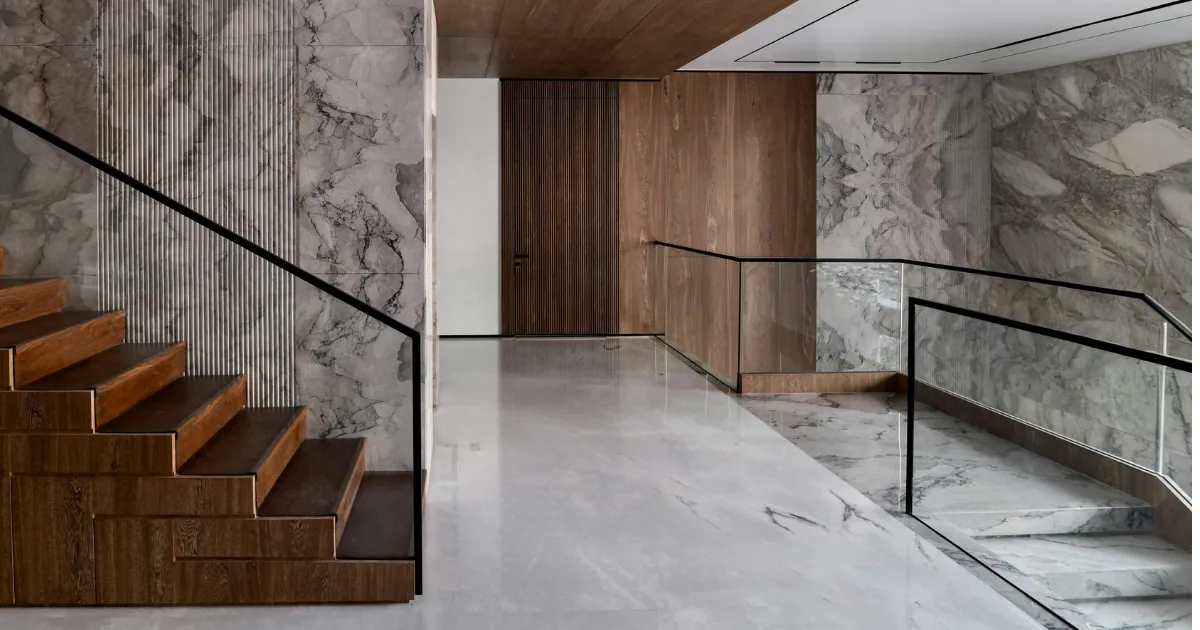
Mineral finishes behave differently from synthetic coatings. They reflect light subtly, create natural tonal variation, and develop character over time. This makes them ideal for minimalist, Scandinavian, industrial, or contemporary interiors where texture is more important than bold colour.
2. Long-term durability
Mineral-based systems are inherently strong. Once cured, they form a hard, stable surface that resists wear and ageing. This makes them particularly suitable for high-traffic areas such as hallways, kitchens, retail spaces, and hospitality environments.
3. Sustainability and material efficiency
Many mineral finishes are low in volatile organic compounds (VOCs) and have long service lives, meaning fewer replacements over time. This supports lower lifecycle environmental impact compared to conventional coatings.
Where are decorative mineral finishes used?
Mineral-based finishes are highly versatile and can be applied across multiple interior surfaces:
- Residential flooring systems
- Bathroom and kitchen wall finishes
- Feature walls in living spaces
- Retail and hospitality interiors
- Architectural concrete surfaces
- Commercial lobbies and reception areas
Because they are applied in thin layers or integrated into surface systems, they can be used in both new builds and refurbishment projects.
Mineral floors: Performance meets design
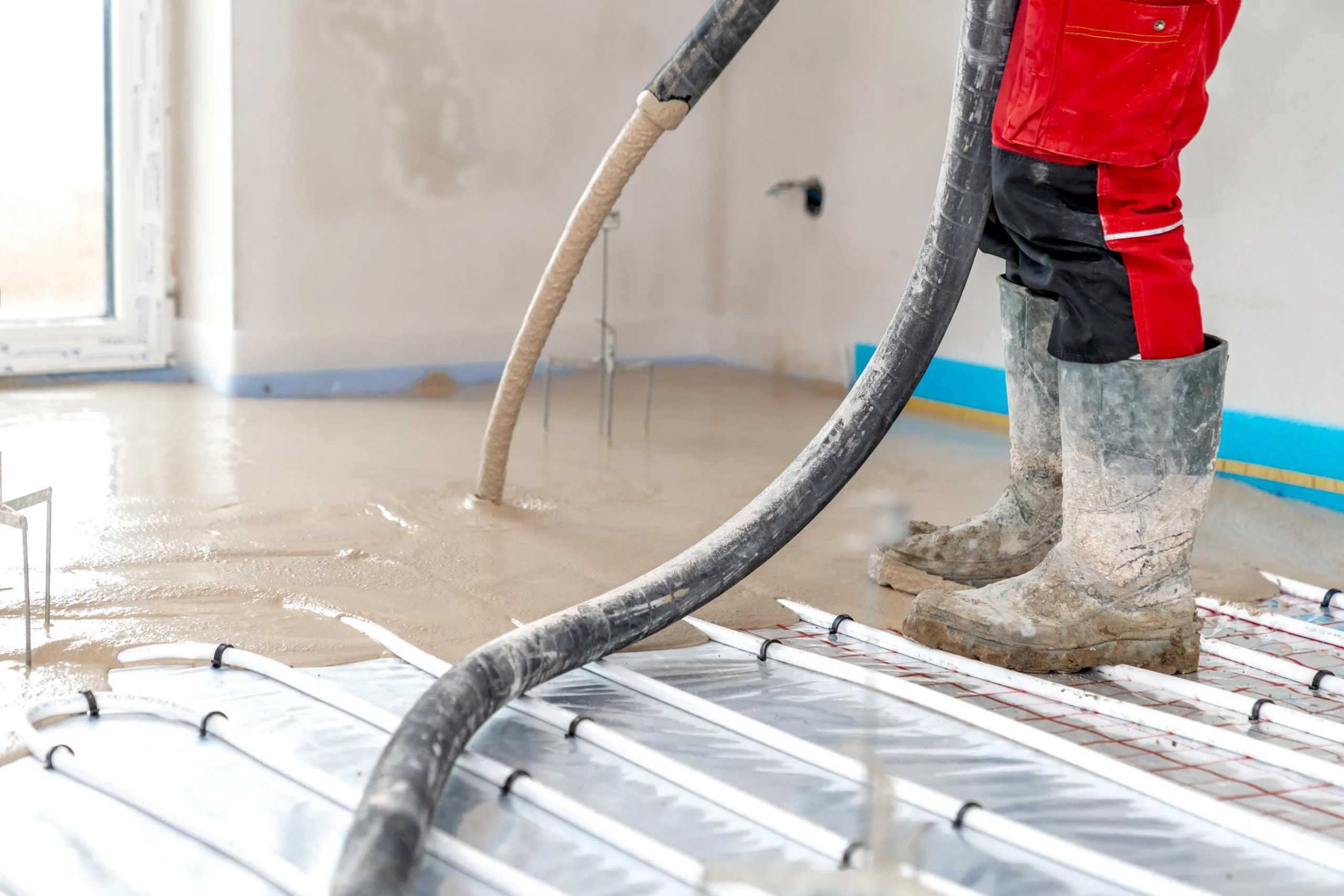
Mineral flooring systems are becoming a strong alternative to synthetic resin or laminate solutions. They offer a seamless finish that combines durability with aesthetic flexibility.
Key benefits of mineral flooring:
- High resistance to wear and abrasion
- Seamless, joint-free appearance
- Compatible with underfloor heating systems
- Easy to maintain compared to tiled or timber floors
- Suitable for both residential and commercial use
Unlike many flooring systems, mineral finishes do not rely on surface patterning to create visual interest. Instead, their texture and mineral composition provide a naturally dynamic surface.
Feature walls: Creating texture, light, and architectural interest
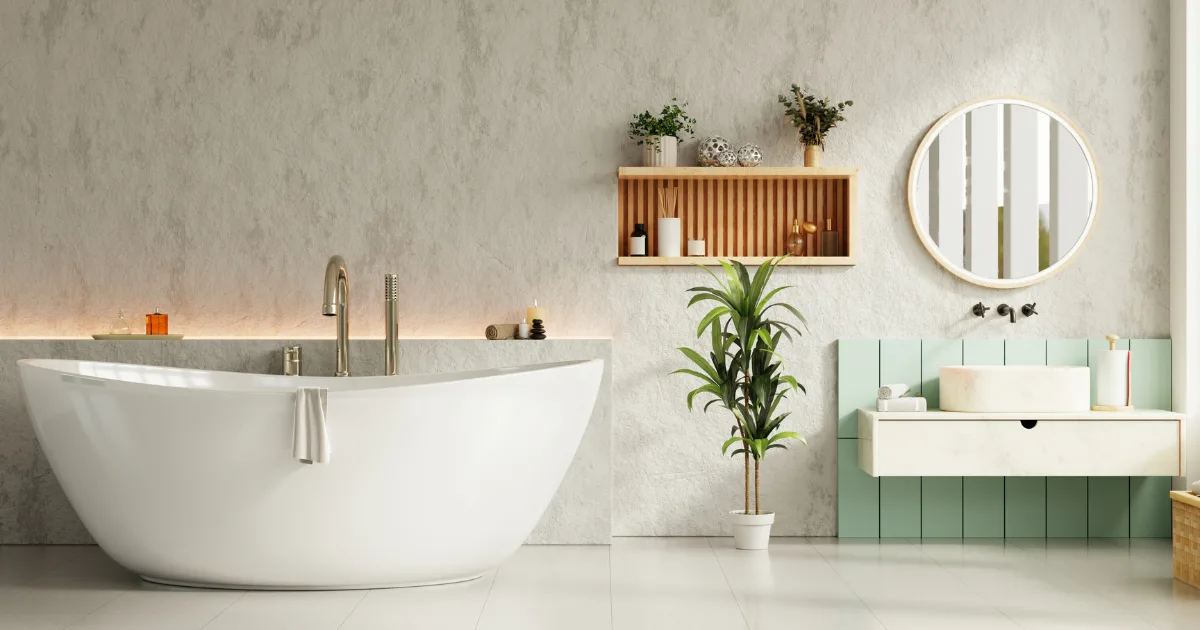
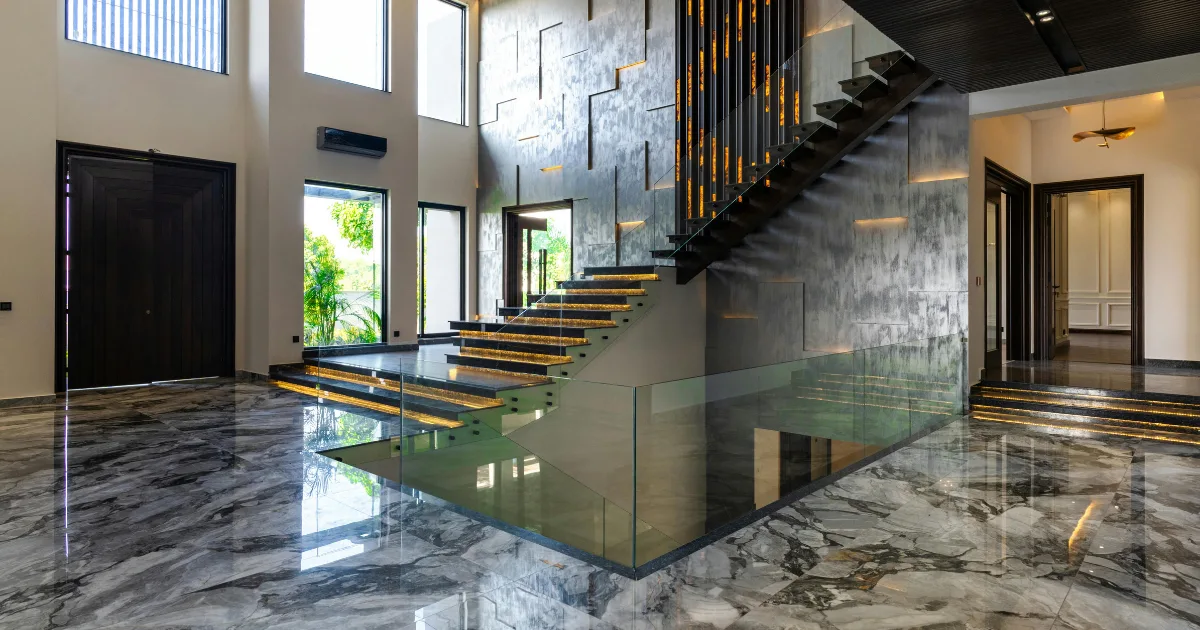
Feature walls are no longer just decorative elements – they are now central design features that define the character of a space. Mineral finishes allow designers to move beyond flat colour into material-led design.
Depending on application technique, mineral finishes can create:
- Soft, stone-like matte surfaces
- Polished, reflective finishes
- Raw, industrial concrete effects
- Subtle layered textures with depth
Because the material is mineral-based, no two surfaces are exactly the same. This uniqueness is a key reason architects are specifying these finishes in premium residential projects.
How mineral finishes support healthier interior environments
Unlike many synthetic coatings, mineral-based finishes can contribute to healthier indoor air quality. Many are vapour-permeable, meaning they allow moisture to pass through the surface rather than trapping it.
This helps:
- Reduce risk of damp or mould in walls
- Improve breathability of building envelopes
- Maintain more stable indoor humidity levels
For homeowners, this means a more comfortable and stable living environment.
Are mineral finishes sustainable?
Yes – but not in isolation. Their sustainability advantage comes primarily from durability and longevity.
Instead of requiring frequent repainting or replacement, mineral finishes often last significantly longer. This reduces:
- Material consumption over time
- Waste from refurbishment cycles
- Transport and installation impacts
In sustainable design terms, longevity is often more important than initial material composition.
Where LKAB Minerals fits in
LKAB Minerals has a long history of supplying engineered mineral solutions for demanding environments – from construction and infrastructure to energy and offshore applications.
While decorative mineral finishes sit within architectural design, they are built on the same foundation: reliable, consistent mineral performance.
The future of mineral-based interior design
The shift towards natural, durable materials is expected to continue as both consumers and designers move away from short-life synthetic solutions.
Mineral finishes are likely to play a growing role in:
- Sustainable housing developments
- Premium residential interiors
- Commercial hospitality design
- Adaptive reuse and refurbishment projects
As material innovation continues, we are also seeing more hybrid systems that combine mineral finishes with advanced binders and application methods, improving both performance and design flexibility.
FAQ: Decorative mineral finishes
What are decorative mineral finishes made of?
They are typically made from natural minerals such as lime, silica, or finely processed mineral aggregates combined with binders to create durable surface systems.
Are mineral floors better than tiles or wood?
They offer different advantages. Mineral floors are seamless, highly durable, and lower maintenance, while tiles and wood offer more traditional aesthetics. The choice depends on design and performance requirements.
Can mineral finishes be used in bathrooms?
Yes. Many mineral-based systems are suitable for bathrooms due to their moisture resistance and seamless application, though correct system specification is important.
Do mineral finishes crack over time?
When correctly applied on a stable substrate, mineral finishes are designed to be highly durable. Movement in the base structure is the main cause of cracking, not the material itself.
Are mineral finishes expensive?
They can have a higher upfront cost than standard paint or coatings, but their long lifespan often reduces total lifecycle cost.
To learn more about LKAB Minerals’ range of mineral solutions, contact our technical team or explore our product portfolio online. You can also follow LKAB Minerals on LinkedIn for the latest industry insights and application developments.