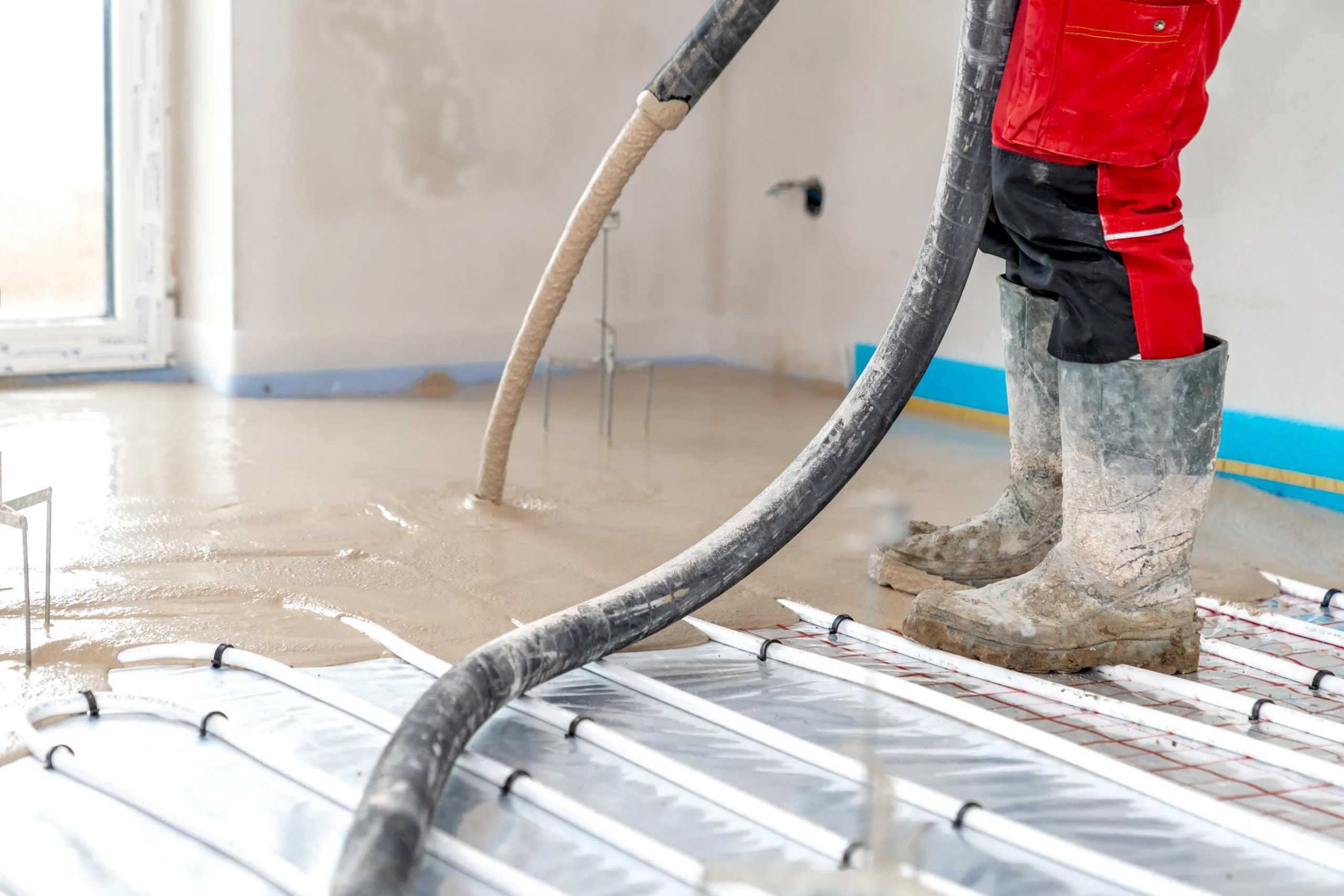
Summer screeding playbook: How to achieve zero laitance, fast-turn floors with Gypsol
Summer presents unique opportunities and challenges for the construction industry. Longer daylight hours and favourable weather conditions can accelerate project schedules, but higher temperatures and faster evaporation rates can also impact floor screed performance.
For contractors, developers and specifiers, achieving consistent, high-quality floors while maintaining programme certainty requires careful planning, material selection and installation practices.
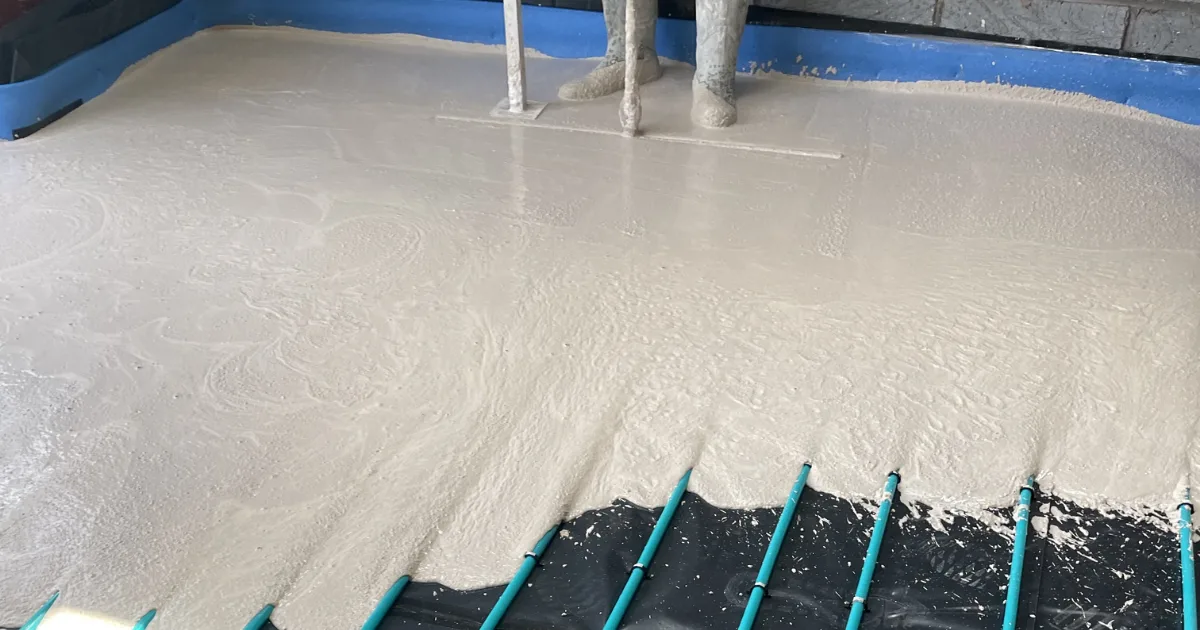
Why is summer one of the most challenging seasons for floor screeding?
During warmer months, environmental conditions can significantly influence the curing and drying behaviour of floor screeds. Elevated temperatures, increased airflow and lower relative humidity can accelerate moisture loss and affect:
- Surface quality
- Drying consistency
- Floor finish adhesion
- Programme schedules
- Underfloor heating commissioning
As construction programmes become increasingly compressed, maintaining quality while delivering fast-turn projects becomes a critical consideration.
What causes laitance in screed?
Laitance is a weak, powdery layer that forms on the surface of some screed systems when water and fine particles migrate during the curing process.
If not properly managed, laitance can lead to:
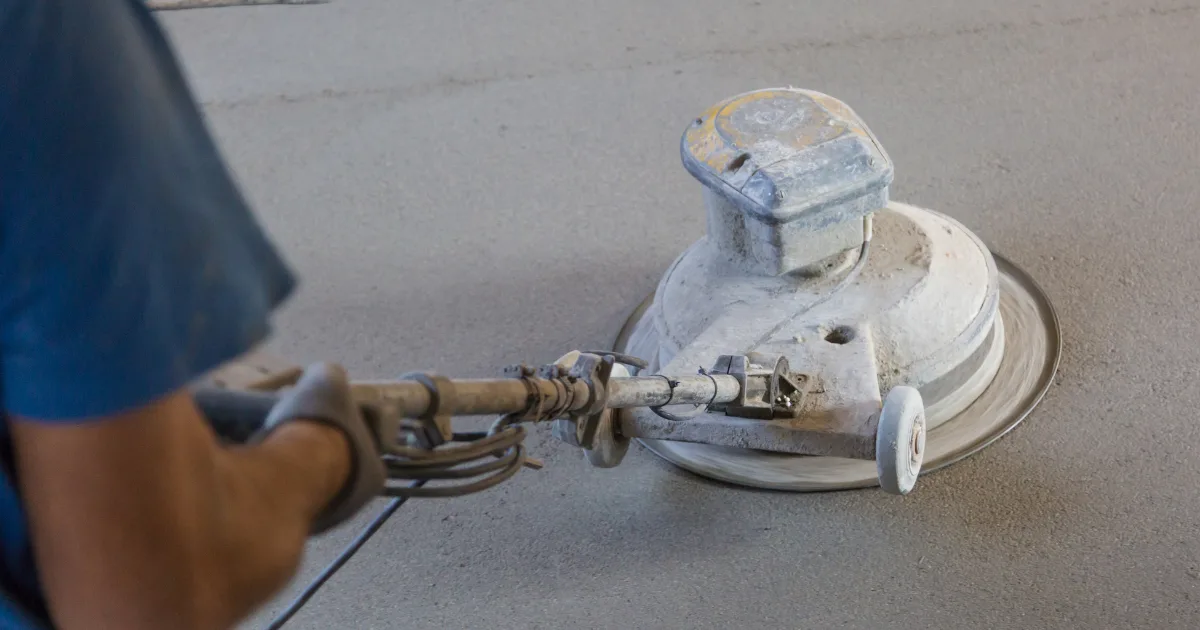
- Additional sanding and surface preparation
- Delays to floor covering installation
- Reduced adhesion performance
- Increased labour and project costs
- Trapped moisture, delaying full screed hydration
While traditional screeds may require additional preparation, laitance can also trap moisture within the screed, preventing complete hydration if it is not removed promptly. If left unsanded beyond 7–10 days, this can delay drying and significantly increase the risk of floor covering delamination. Advances in screed technology, such as Gypsol Zero Laitance, eliminate this risk by removing the need for laitance sanding altogether.
How can contractors reduce or eliminate screed laitance?
Several factors influence the formation of laitance during installation:
| Factor | Potential impact |
|---|---|
| Temperature | Accelerates surface drying |
| Ventilation | Increases moisture evaporation |
| Water content | Affects surface migration |
| Installation technique | Influences finish consistency |
| Product selection | Determines inherent laitance risk |
Selecting screed systems designed to minimise surface laitance can significantly reduce remedial work and improve programme certainty.
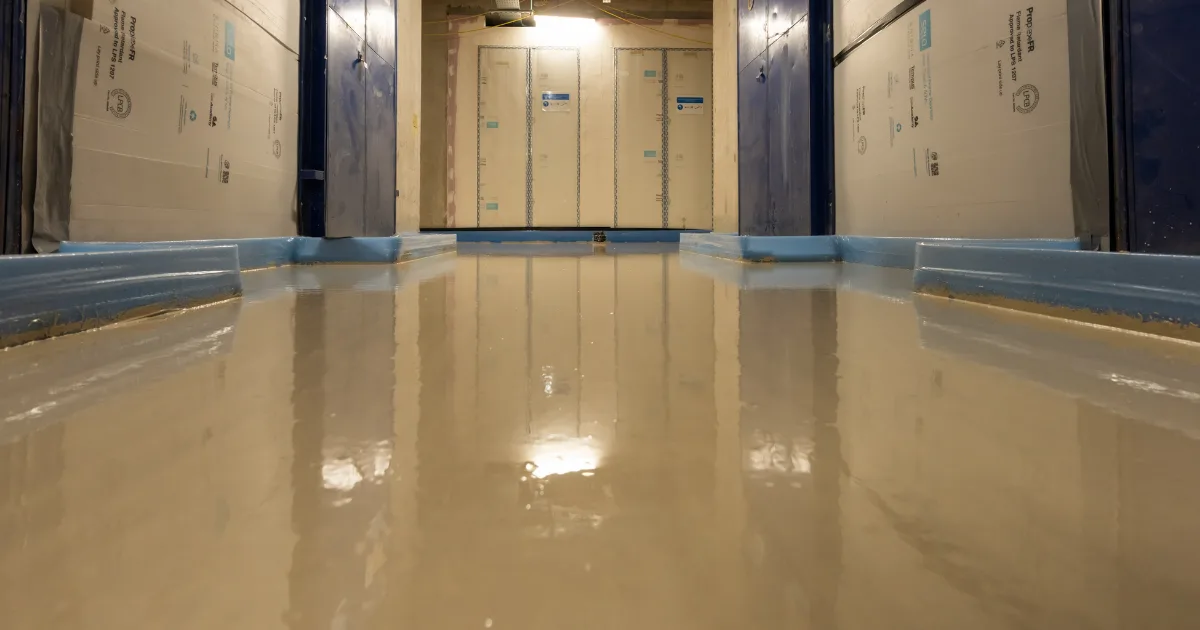
How does Gypsol support fast-turn summer construction?
Gypsol liquid screed systems are engineered to provide consistent performance across a range of site conditions.
Key benefits include:
- Free-flowing, self-compacting screed
- Excellent flow characteristics
- Predictable drying behaviour
- Reduced site labour
- Allows complete encapsulation of pipes, making it perfect for UFH systems
- Improved programme certainty
For projects requiring rapid installation and minimal surface preparation, Gypsol Zero Laitance technology eliminates sanding requirements altogether.
Best practice considerations for summer screeding
When planning summer screeding projects, contractors and specifiers should consider:
- Ambient temperature management
- Site ventilation conditions
- Moisture control during curing
- Underfloor heating commissioning schedules
- Surface preparation requirements
- Final floor covering specifications
Careful planning and product selection can help reduce risk and improve installation outcomes.
Frequently asked questions
Does hot weather make screeds dry faster?
Yes. Higher temperatures generally accelerate moisture evaporation, although drying performance depends on screed type, thickness and site conditions.
What is a zero laitance screed?
A zero laitance screed is designed to eliminate the weak surface layer traditionally associated with some screed systems.
Is Gypsol suitable for underfloor heating?
Yes. Gypsol screeds are widely used with underfloor heating systems due to their flow properties and thermal performance.
Can liquid screeds reduce installation time?
Yes. Free-flowing liquid screeds can reduce labour requirements and improve installation efficiency compared with traditional screed methods. Their self-compacting nature allows for faster installation across large floor areas, while standard dappling helps achieve a level finish.
Delivering quality and speed during peak construction season
Summer construction programmes place significant pressure on flooring contractors, developers and specifiers to deliver high-quality finishes within increasingly compressed timelines. While environmental conditions can introduce additional risks, careful material selection, effective moisture management and proven installation practices can help maintain consistency throughout the project lifecycle.
As demand for faster, more efficient construction methods continues to grow, screed systems that reduce variability, minimise remedial work and support predictable performance will play an increasingly important role. By combining technical expertise with application-specific solutions, contractors can achieve both programme certainty and long-term floor performance, even under challenging summer conditions.
To learn more about LKAB Minerals’ range of mineral solutions for construction and infrastructure applications, contact our technical team or explore our product portfolio online. You can also follow LKAB Minerals on LinkedIn for the latest industry insights and application developments.