What are critical minerals? Definition, importance and real-world applications
Critical minerals have become a major focus for governments, manufacturers and infrastructure developers worldwide.
As industries transition towards electrification, renewable energy, advanced manufacturing and digital technologies, demand for specific minerals continues to increase. Many of these materials are considered essential to economic development, national security and industrial supply chains.
But what exactly are critical minerals, and why are they becoming so important?
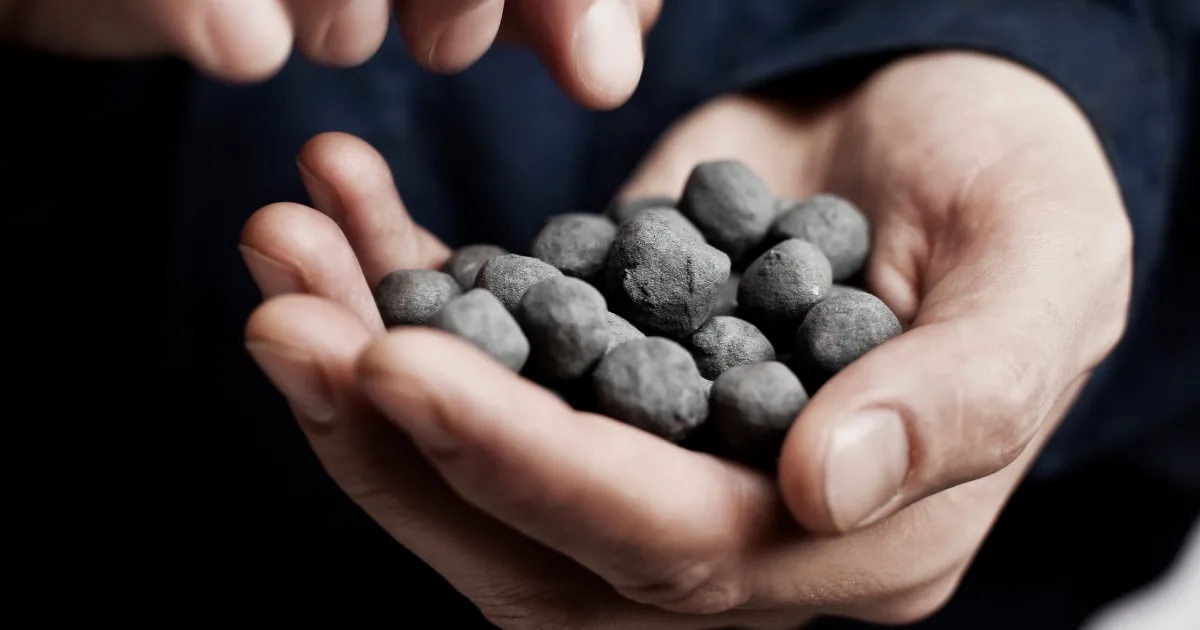
What are critical minerals?
Critical minerals are minerals and raw materials that are essential for economic activity, manufacturing and modern technologies but may face supply risks due to limited availability, geopolitical factors or increasing global demand.
A mineral is generally classified as “critical” when it meets two key criteria:
- It is economically important
- Supply disruption could have significant consequences
The exact list of critical minerals varies between countries and regions, but the principle remains the same: these materials are necessary for modern technologies and infrastructure.
Why are critical minerals important?
Critical minerals support many of the technologies that underpin modern life.
They are used in:
- Renewable energy systems
- Electric vehicles
- Battery technologies
- Electronics and semiconductors
- Telecommunications infrastructure
- Defence applications
- Construction materials
- Industrial manufacturing
As countries pursue decarbonisation targets and energy transition strategies, demand for many critical minerals continues to grow.
Examples of critical minerals
Different countries maintain different critical mineral lists, but commonly recognised examples include:
These minerals play important roles in technologies ranging from batteries and magnets to fertilisers and advanced manufacturing systems.
Critical minerals and the energy transition
The transition towards lower-carbon energy systems is one of the main drivers behind increasing demand for critical minerals.
Electric vehicles, wind turbines, solar panels and battery storage systems all require significant quantities of specialised mineral resources.
For example:
- Lithium is used in rechargeable batteries
- Rare earth elements are used in permanent magnets
- Graphite is used in battery anodes
- Nickel and cobalt are used in battery chemistries
Without reliable mineral supply chains, scaling these technologies becomes significantly more challenging.
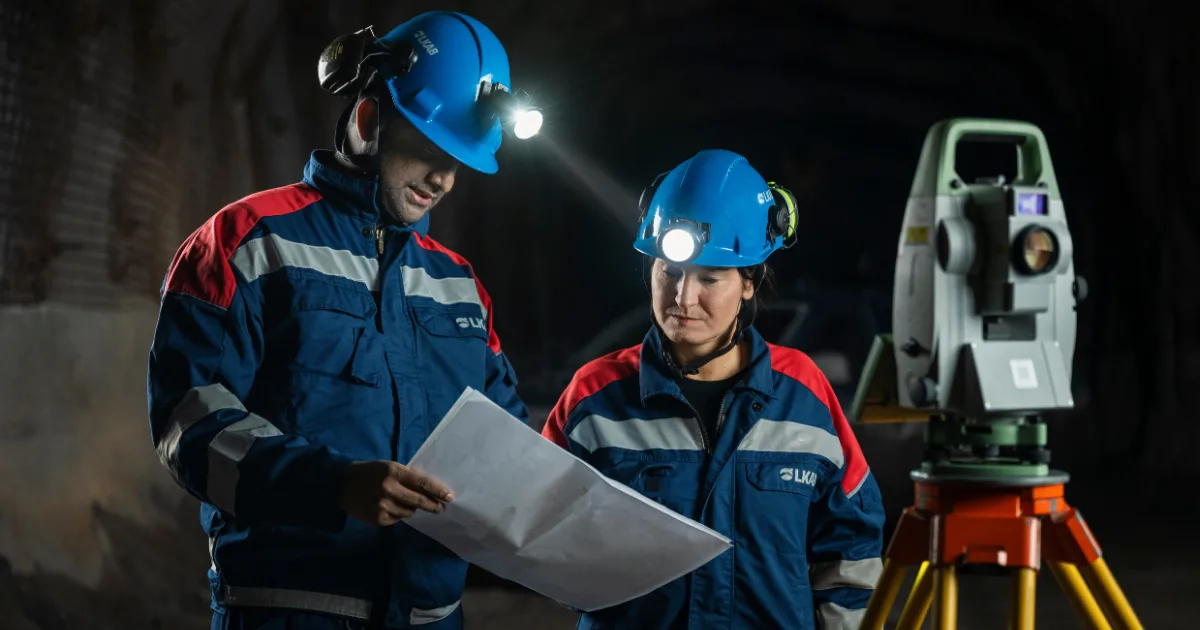
Supply chain challenges
Many critical minerals are produced in limited regions of the world.
This concentration can create challenges such as:
- Supply disruptions
- Geopolitical risks
- Price volatility
- Resource security concerns
As a result, governments and industries are investing in diversification, recycling, processing capacity and responsible sourcing initiatives.
Critical minerals versus industrial minerals
Not all critical minerals are industrial minerals, and not all industrial minerals are classified as critical.
Industrial minerals are used for their physical or chemical properties in manufacturing and construction applications.
Examples include:
Some industrial minerals may become strategically important depending on market demand, regional supply chains and industrial priorities.
Frequently asked questions
Are critical minerals rare?
Not necessarily. Some critical minerals are relatively abundant but are considered critical because of supply chain concentration or growing demand.
Who decides which minerals are critical?
Governments and international organisations typically develop critical mineral lists based on economic importance and supply risk assessments.
Why are critical minerals important for renewable energy?
Many renewable energy technologies depend on specific minerals for batteries, magnets, electrical systems and energy storage solutions.

The future of critical minerals
As global industries continue to evolve, critical minerals will remain central to manufacturing, infrastructure, energy systems and technological innovation.
Understanding how minerals are sourced, processed and integrated into supply chains will become increasingly important for businesses, policymakers and consumers alike.
To learn more about industrial minerals and how they support construction, manufacturing and infrastructure, explore LKAB Minerals’ product range and processed mineral capabilities. You can also follow LKAB Minerals on LinkedIn for the latest industry insights, case studies and mineral technology developments.