What are processed minerals? Meaning, benefits and real‑world applications
Processed minerals are natural minerals that have been physically and, in some cases, chemically processed to achieve controlled particle size, higher purity and consistent performance for industrial and construction applications.
This processing reduces natural variability and ensures the materials perform reliably in demanding manufacturing systems.
Why processing is essential for industrial minerals
Minerals as they occur in nature are inherently variable. Even within a single deposit, raw material can differ in:
- Grain size distribution
- Mineral composition
- Moisture content
- Levels of natural impurities
For industrial users, this variability introduces significant risk. Without processing:
- Performance becomes unpredictable
- Installation and manufacturing efficiency is reduced
- Failure rates increase
- Whole‑life costs rise
Processing exists to remove uncertainty, allowing materials to perform as engineered materials rather than untreated geological inputs.
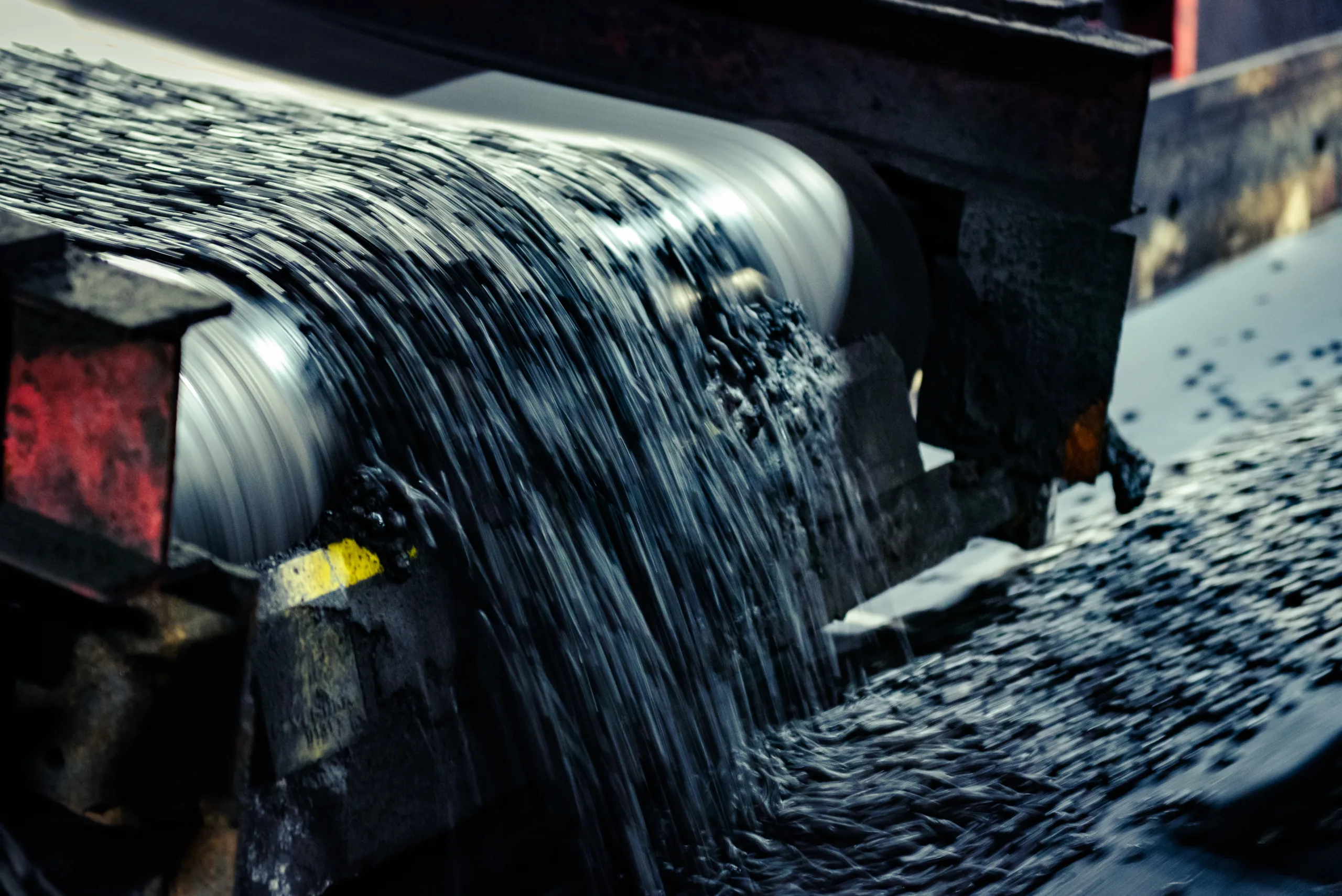
What processing means in practice
Processed materials not over‑engineered or artificially altered. Instead, processing focuses on precision control, aligning natural materials with defined performance requirements.
This typically includes:
Size control
Crushing, grinding and screening to controlled tolerances, supporting predictable flow, compaction, strength and surface finish.
Purity management
Removal of unwanted fractions or contaminants, which is critical for performance‑sensitive and regulated applications.
Moisture control
Drying or moisture management to improve handling, storage and consistency during use.
Consistency through blending
Combining material streams to maintain uniformity across batches and over time.
The result is a material that behaves consistently today, tomorrow and throughout its service life.
Processed minerals vs raw minerals
| Raw minerals | Processed minerals |
|---|---|
| Naturally variable | Consistent and predictable |
| Limited usability | Application‑ready |
| Higher waste risk | Improved efficiency |
| Lower upfront control | Reduced lifecycle risk |
For many industrial processes, raw minerals are simply not suitable for use at scale without processing.
How processed minerals create value downstream
The benefits of processing extend well beyond material supply. Processed minerals help to:
- Reduce rework and defects
- Improve product durability
- Support consistent installation or manufacture
- Lower maintenance and replacement requirements
For specifiers, manufacturers and asset owners, this reliability is often more valuable than lower upfront material cost.
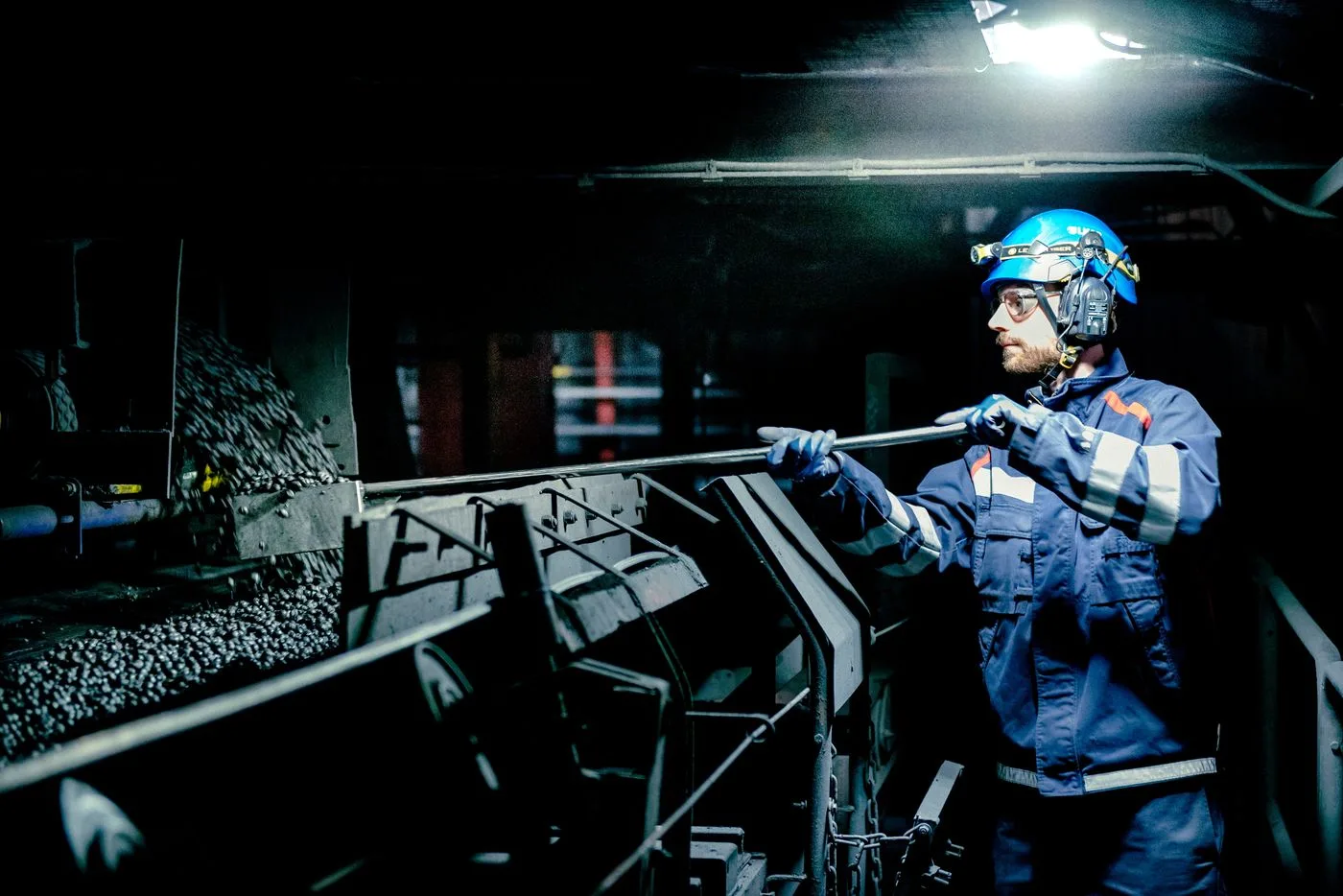
Environmental responsibility
When applied responsibly, processing plays an important role in environmental reponsibility by:
- Avoiding over‑specification
- Enabling thinner, lighter or longer‑lasting solutions
- Reducing waste across the value chain
Well‑processed minerals support sustainability by doing more with less, over longer service lives.
Frequently asked questions
Are processed minerals still natural?
Yes. They remain naturally sourced minerals that are physically refined to improve consistency and performance.
Do all industrial minerals need processing?
Most industrial materials require some level of processing to meet the expectations of modern construction and manufacturing systems.
Explore how LKAB Minerals develops processed mineral solutions for construction, manufacturing and infrastructure here. You can also follow us on LinkedIn for the latest insights, case studies and industry updates.