Magnetic paint additive for feature walls and chalkboard paints
Interactive interiors are becoming increasingly popular across offices, schools, retail environments and modern homes. Magnetic walls, writable coatings and multifunctional feature surfaces allow spaces to become more flexible without compromising design. MagniF is a magnetite-based functional filler used as a magnetic paint additive to create interactive surfaces such as magnetic walls, chalkboards and feature coatings. Its ferrimagnetic properties allow coated surfaces to attract magnets while maintaining a clean decorative finish.
At LKAB Minerals, MagniF is used in coatings and polymer systems where consistent magnetic performance, reliable quality and formulation stability are required.
What is magnetic paint and how does it work?
Magnetic paint is a specialist coating that contains ferrimagnetic particles. Once applied to walls or surfaces, the coating creates a magnetic layer capable of holding magnets, notes, displays or lightweight objects.
Unlike visible magnetic boards or mounted systems, magnetic coatings can sit beneath decorative topcoats, allowing the surface to maintain its intended design aesthetic.
The performance of magnetic paint depends heavily on the mineral filler used within the formulation. Particle consistency, magnetic behaviour and dispersion quality all influence the final coating performance.
What is MagniF?
MagniF is a high-purity magnetite powder produced from natural magnetite sourced from northern Sweden. It is designed for use as a functional filler in coatings, polymers and industrial systems requiring density, conductivity or ferrimagnetic functionality.
Its combination of high density and ferrimagnetism makes it particularly suitable for magnetic paints and interactive coatings.
MagniF also offers:
- Consistent particle quality
- Reliable ferrimagnetic performance
- Good dispersibility
- Low influence on viscosity
- Thermal conductivity
- Sound and vibration damping
- Improved friction stability in specialist coatings
These characteristics help coatings manufacturers produce systems with reliable performance and repeatable formulation behaviour.
Why are interactive interiors growing in popularity?
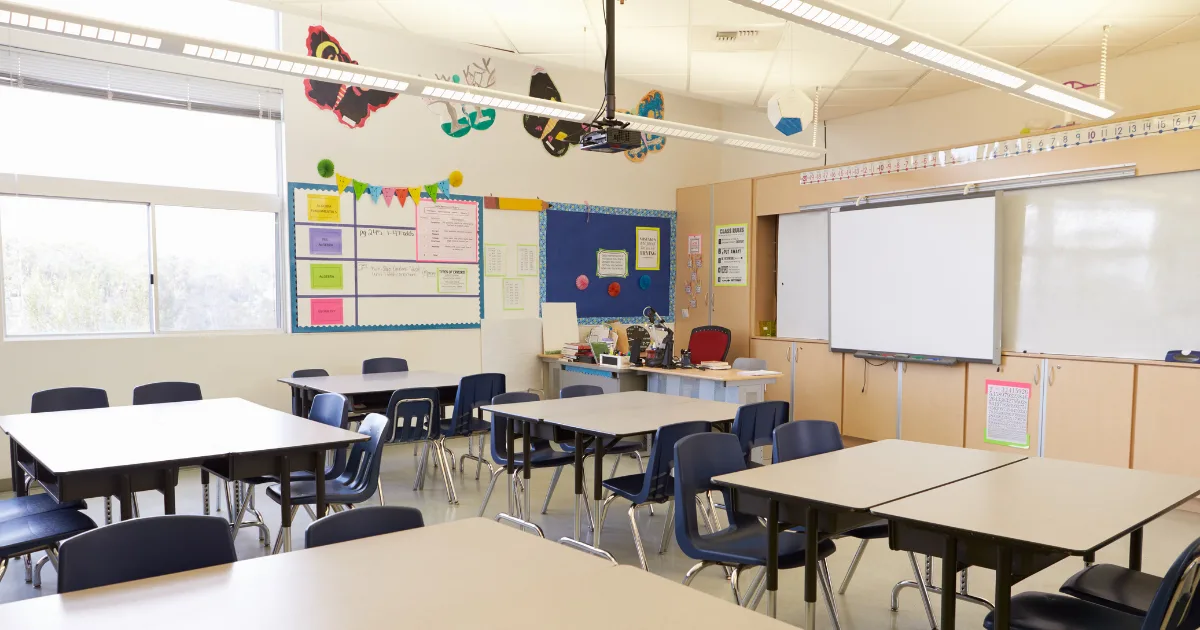
Interior spaces are increasingly expected to combine aesthetics with functionality. Offices require collaborative surfaces, schools need adaptable learning environments, and residential interiors increasingly incorporate flexible multifunctional spaces.
As a result, magnetic and writable coatings are being used across:
- Office collaboration walls
- Educational classrooms
- Children’s bedrooms
- Retail displays
- Creative studios
- Hospitality interiors
- Planning walls
- Decorative feature surfaces
Unlike mounted boards or panels, magnetic coatings allow entire surfaces to become interactive while maintaining a cleaner architectural appearance.
Why is magnetite used in magnetic paint?
Magnetite is widely used in magnetic coatings because of its ferrimagnetic properties. When incorporated into paint systems, magnetite particles allow the coated surface to attract magnets.
Compared with some traditional metallic fillers, magnetite offers advantages including:
- Stable magnetic functionality
- Good chemical stability
- Non-rusting behaviour
- High density
- Durable performance
These properties make magnetite particularly suitable for long-term interior coating applications.
How MagniF supports magnetic wall systems
In magnetic paint systems, MagniF contributes both functional and processing benefits.
Its ferrimagnetic properties enable magnetic attraction, while its controlled mineral quality helps coatings manufacturers maintain consistency across production batches.
The performance of a magnetic wall system depends on factors including:
- Coating thickness
- Filler loading
- Particle distribution
- Binder compatibility
- Application consistency
Multiple coats are often applied to increase magnetic strength and improve holding performance.
Because MagniF disperses effectively within coating systems and has limited impact on viscosity, it supports manageable application and processing behaviour during manufacturing.
Magnetic chalkboards and writable coatings
One of the fastest-growing applications for magnetic coatings is magnetic chalkboard paint.
These systems combine writable surfaces with magnetic functionality, creating practical interactive environments for education, hospitality and workplace applications.
MagniF supports these systems by contributing:
- Reliable magnetic responsiveness
- Surface durability
- Stable coating behaviour
- Consistent finish quality
- Long-term coating performance
Magnetic chalkboard coatings are increasingly used in cafés, offices, meeting rooms and creative spaces where flexibility and communication are important.
Feature walls that do more than decorate
Feature walls are no longer purely decorative. Increasingly, architects and interior designers want surfaces that contribute functionality alongside aesthetics.
Magnetic feature walls can support:
- Flexible artwork displays
- Planning systems
- Magnetic shelving concepts
- Interactive retail merchandising
- Moveable signage
- Workspace organisation

Because the magnetic layer remains hidden beneath decorative coatings, these systems preserve design flexibility while adding practical functionality.
Why consistency matters in coating formulation
For coatings manufacturers, mineral consistency is critical. Variations in particle size or magnetic behaviour can affect:
- Coating stability
- Surface appearance
- Magnetic performance
- Dispersion quality
- Manufacturing efficiency
MagniF is processed to provide controlled particle characteristics and consistent mineral quality, helping manufacturers maintain predictable coating performance.
Reliable supply and consistent product behaviour are particularly important in industrial coatings, where repeatability and long-term formulation stability matter.
Beyond magnetic functionality
Although MagniF is primarily used for its magnetic behaviour, it can also contribute additional functional benefits depending on the coating system.
These may include:
- Increased density
- Sound damping
- Thermal conductivity
- Improved perceived product quality
- Friction stability in specialist applications
This multifunctionality allows coatings manufacturers to create surfaces that combine aesthetics, durability and functionality within a single system.
Key takeaways
- MagniF is a magnetite-based functional filler used in magnetic paints and coatings
- Magnetic coatings enable interactive interior surfaces without visible fixtures
- Magnetite provides ferrimagnetic functionality for magnetic wall systems
- Consistent particle quality supports stable coating performance
- Magnetic chalkboards and feature walls are growing across commercial and residential interiors
Interactive interiors are shaping modern design
As interior spaces continue evolving, surfaces are increasingly expected to deliver both functionality and aesthetics. Magnetic coatings allow walls and decorative surfaces to become interactive without compromising architectural design.
MagniF supports this shift through reliable ferrimagnetic performance, formulation consistency and dependable mineral quality.
From collaborative office walls to magnetic chalkboards and multifunctional feature interiors, magnetic coatings are helping create more adaptable modern environments.
To learn more about MagniF and how it supports magnetic paints and functional coatings, visit our MagniF product page or contact our technical team. You can also follow LKAB Minerals on LinkedIn for the latest product updates, case studies and industry insights.
FAQs about magnetic paint additives
What is magnetic paint made from?
Magnetic paint typically contains ferrimagnetic mineral fillers such as magnetite, which allow the coated surface to attract magnets once dry.
What is MagniF used for?
MagniF is used as a functional filler in magnetic paints, coatings and polymers where density, ferrimagnetic behaviour and conductivity are required.
Can magnetic paint be painted over?
Yes. Magnetic paint is commonly used as a base layer beneath decorative topcoats while still retaining magnetic functionality.
Why is magnetite used in coatings?
Magnetite provides ferrimagnetic properties, high density and stable performance, making it suitable for magnetic and functional coating systems.
Are magnetic coatings suitable for offices and schools?
Yes. Magnetic coatings are widely used in offices, classrooms and collaborative spaces to create interactive walls and planning surfaces.
Does magnetic paint affect wall appearance?
No. Magnetic coatings are usually hidden beneath standard decorative paint systems, allowing the final surface appearance to remain unchanged.
What are the advantages of magnetic feature walls?
Magnetic feature walls allow flexible displays, planning systems and interactive functionality without mounted boards or visible fixtures.
Does MagniF affect coating viscosity?
MagniF is designed to disperse effectively within coating systems and generally has limited influence on viscosity compared with some alternative fillers.