Safer, greener roads: High friction surfacing with Limestone & Olivine
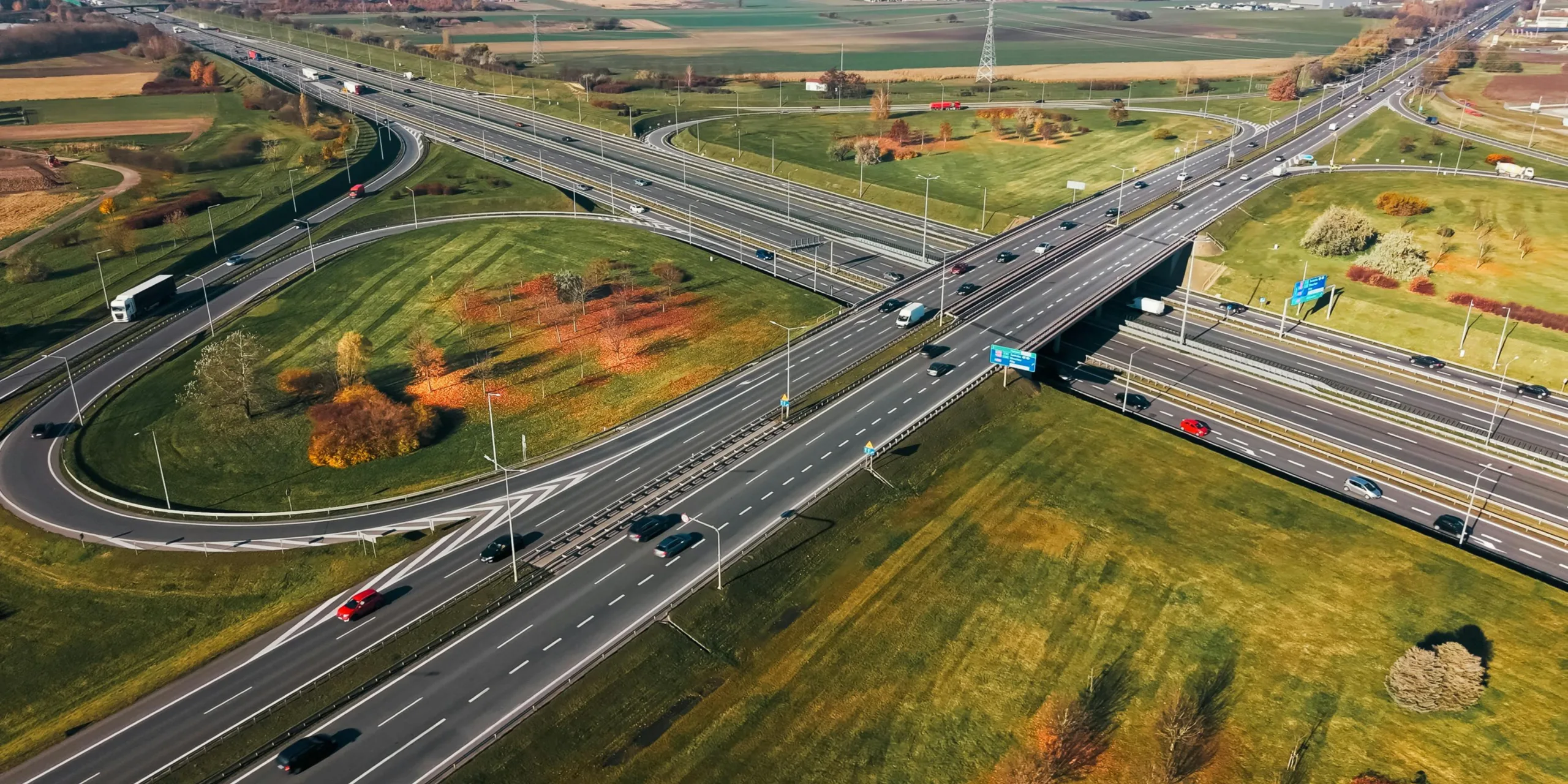
As the demands placed on road infrastructure continue to increase, safety remains a non‑negotiable priority. Higher traffic volumes, heavier vehicles, tighter stopping distances and more extreme weather conditions all place pressure on road surfaces to perform reliably and consistently. In high‑risk areas such as junctions, pedestrian crossings, roundabouts, approaches to traffic signals and steep gradients, the consequences of reduced skid resistance can be severe. High friction surfacing (HFS) is a proven solution for improving safety in these locations. By combining high‑quality asphalt systems with premium aggregates, road authorities can significantly reduce skidding incidents and support safer road networks. However, achieving long‑term performance depends heavily on material selection – particularly the choice of aggregate.

The purpose of high friction surfacing
High friction surfacing is designed to deliver a high, consistent level of skid resistance, particularly under wet conditions. Research consistently shows that a loss of friction increases stopping distances and driver risk, especially during braking, cornering and manoeuvring at speed.
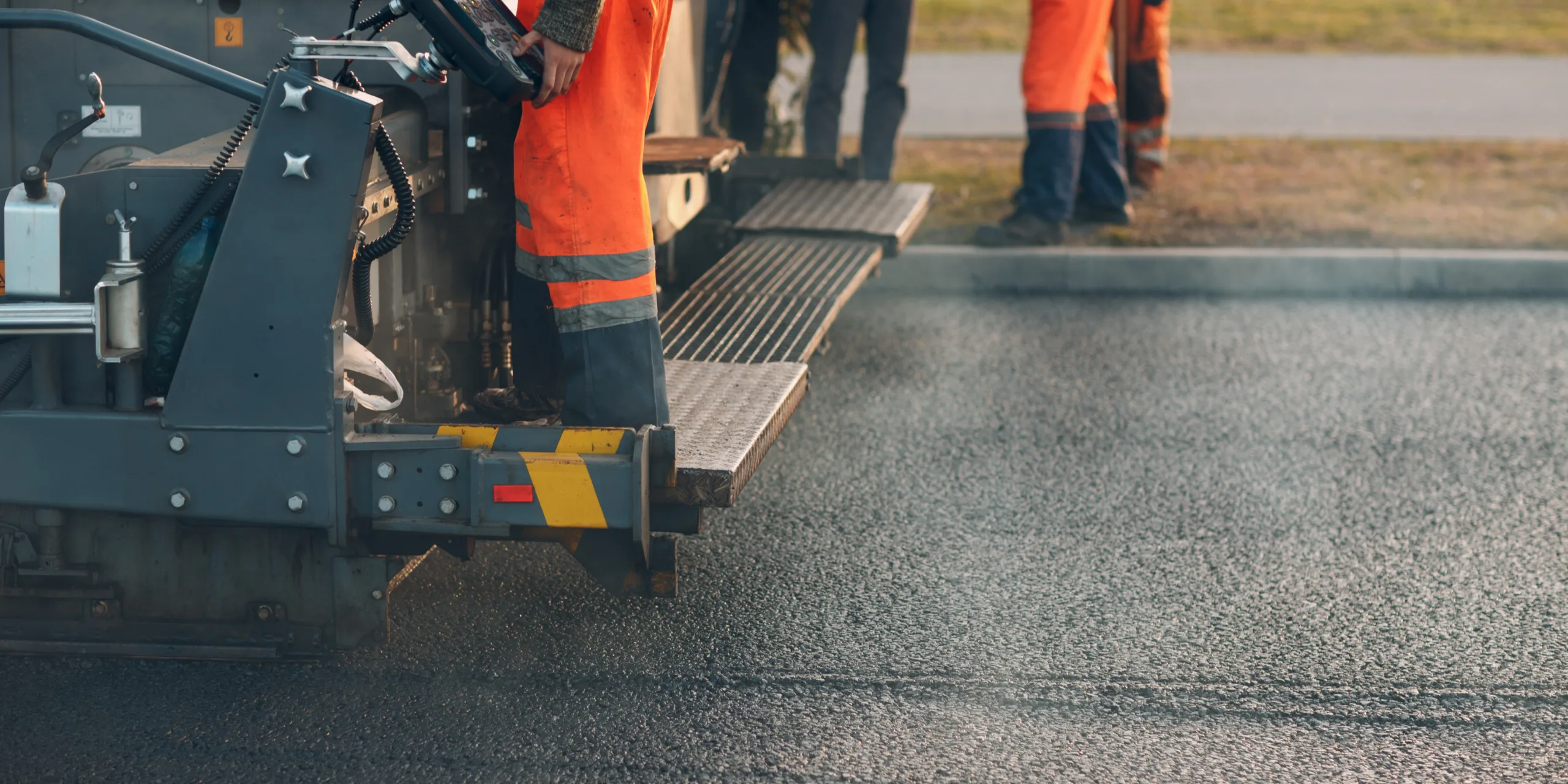
Standard asphalt surfaces may perform well initially but can polish over time as traffic abrades the aggregate, reducing grip and increasing maintenance demands. HFS systems address this issue by incorporating aggregates with exceptional resistance to polishing and wear, maintaining micro‑ and macro‑texture for far longer.
Asphalt: The structural foundation
Asphalt remains the backbone of modern pavement design. In high friction applications, asphalt provides:
- Structural strength under traffic loading
- Adhesion between binder and aggregate
- A consistent substrate for surface treatments and exposed aggregates
The quality of the asphalt mix is critical. Well‑graded aggregates, effective filler content and strong binder interaction all contribute to durability and resistance to deformation. Asphalt systems that perform reliably create the ideal platform for high‑performance surface aggregates to deliver long‑term safety benefits.
The role of Limestone in asphalt performance
High‑quality Limestone plays an important role within asphalt systems, particularly as aggregate and filler. LKAB Minerals supplies carefully processed Limestone products designed to deliver consistency, purity and predictable performance.
Within asphalt, Limestone contributes by:
- Improving workability during installation
- Enhancing compaction and densification
- Supporting strong binder adhesion
- Delivering consistent grading and chemical stability
While Limestone is not typically used as the exposed aggregate in high friction surfacing due to its polishing characteristics, it remains an essential component of robust asphalt mixes. A well‑designed Limestone‑based asphalt structure supports surface integrity, reduces deformation and maintains uniform performance over time.
Why aggregate choice defines skid resistance
In HFS applications, the surface aggregate is responsible for delivering grip. The exposed mineral must resist both polishing and abrasion while maintaining angularity under traffic stress.
Many conventional aggregates polish relatively quickly under repeated braking and turning, leading to declining skid resistance and the need for early intervention. For high‑risk locations, this short service life undermines both safety and value.
Olivine: A proven high‑performance aggregate
Olivine is recognised as one of the most effective aggregates for high friction surfacing. Naturally occurring and exceptionally hard, it offers a combination of physical properties that directly support long‑term skid resistance.
Key characteristics of olivine include:
- Very high Polished Stone Value (PSV)
- Exceptional resistance to abrasion and wear
- Angular particle shape for mechanical interlock
- Durable micro‑texture retention
Unlike aggregates that smooth over time, Olivine maintains its surface roughness even under heavy traffic. This makes it particularly effective in locations where braking forces are constant, such as signalised junctions and roundabouts.
Performance that endures
While initial costs can influence material selection, high friction surfacing should always be evaluated through a whole‑life performance lens. Olivine‑based systems frequently deliver:
- Longer service life
- Reduced maintenance cycles
- Fewer lane closures and traffic disruptions
- Lower long‑term costs to asset owners
The durability of Olivine allows road authorities to reduce reactive maintenance and focus resources more effectively, improving network reliability.
Supporting environmental goals
Environmental responsibility is increasingly important in infrastructure decisions. Olivine supports these objectives through:
- Natural mineral origin
- Chemical stability with no synthetic additives
- Long lifespan that reduces material consumption over time
Fewer resurfacing cycles mean less energy use, reduced transport emissions and lower cumulative carbon impact across the lifecycle of the road.
LKAB Minerals’ responsible approach to sourcing and processing helps ensure that enhanced performance does not come at the expense of environmental responsibility.
A system‑based approach to safer roads
High friction surfacing works best when approached as a system rather than a standalone material choice. Successful outcomes rely on:
- Correct asphalt design
- Appropriate binder selection
- Premium surface aggregates
- Skilled installation
By working closely with designers, contractors and authorities, LKAB Minerals provides technical expertise, dependable supply and consistent product performance, supporting safer roads where it matters most.
Delivering confidence in critical locations
High‑risk areas demand materials that perform under pressure. By combining well‑designed asphalt systems with the long‑term skid resistance of olivine, road authorities can deliver safer, more resilient surfaces that stand the test of time.
High friction surfacing is not just about compliance – it is about protecting lives and building confidence into the road network for years to come. To learn more about our construction additives and how they can enhance your projects, visit product page today or contact our team of experts. You can also follow LKAB Minerals on LinkedIn for the latest product updates, case studies, and industry insights.