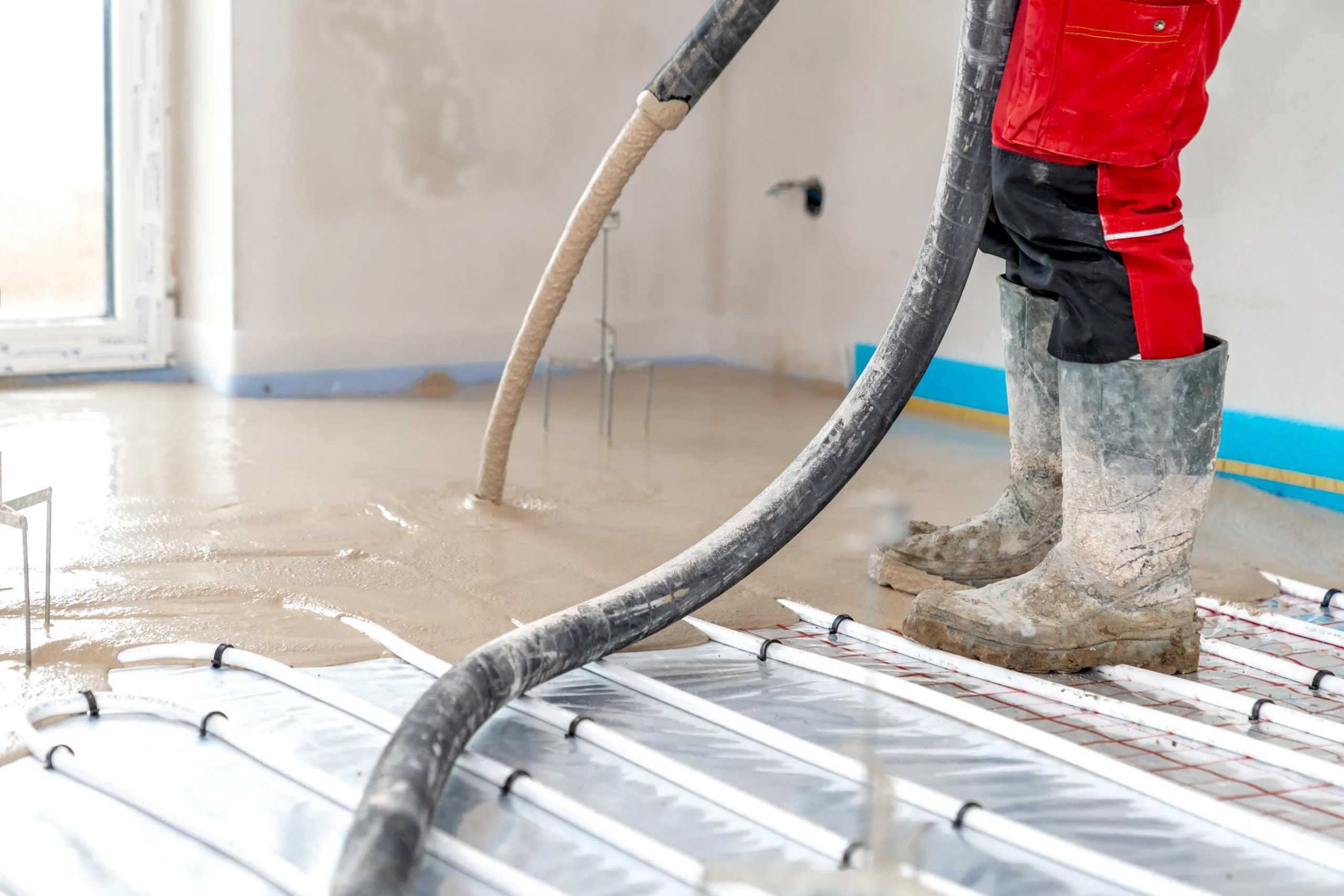
What are mineral solutions? Applications, benefits and industrial uses
What are mineral solutions?
Mineral solutions are processed natural or synthetic minerals used to solve specific engineering, manufacturing and performance challenges. Rather than acting solely as raw materials, they are selected for the functional benefits they provide within a product, process or system.
Across industries such as polymers, construction, coatings, infrastructure and agriculture, mineral solutions help improve performance, consistency, durability, fire resistance, density control, processing efficiency and sustainability outcomes.
As manufacturers face increasing pressure to improve product performance, meet regulatory requirements and reduce environmental impact, mineral solutions have become an increasingly important part of modern material design.
At LKAB Minerals, we work with customers worldwide to identify and optimise mineral solutions for demanding applications, helping manufacturers improve performance while maintaining efficiency and reliability.
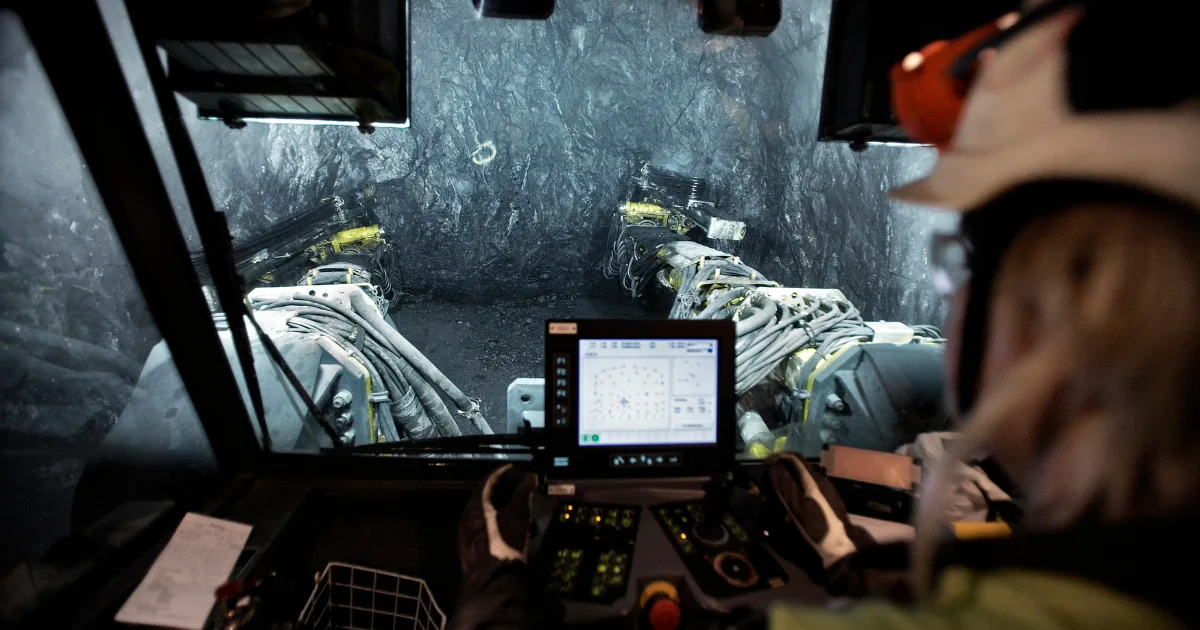
Why do mineral solutions matter today?
Modern manufacturers are expected to deliver products that are safer, lighter, more durable and more sustainable than ever before.
At the same time, they face challenges including:
- Increasing fire safety requirements
- Material cost volatility
- Supply chain pressures
- Decarbonisation targets
- Manufacturing efficiency demands
- Longer product life expectations
Mineral solutions help address many of these challenges because they can modify how materials behave both during production and throughout their service life.
Although minerals are often invisible within the final product, they frequently play a critical role in determining performance.
Examples of mineral solutions and their functions
Different minerals deliver different performance benefits depending on their chemistry, particle structure and physical properties.
| Mineral | Typical function | Common applications |
|---|---|---|
| Huntite | Flame retardancy | Cables, polymers, construction materials |
| Hydromagnesite | Smoke suppression and fire performance | Low-smoke cable compounds |
| Magnetite | Density control | Radiation shielding, ballast, heavy concrete |
| Mica | Barrier performance and dimensional stability | Coatings, plastics, polymers |
| Calcined Clay | Cement and construction performance | Concrete and cement systems |
Selecting the correct mineral depends on the application, processing requirements and desired performance outcomes.
How do mineral solutions work?
Mineral solutions influence the physical, thermal, chemical or mechanical behaviour of a material system.
Their performance may be driven by:
Thermal behaviour
Certain minerals absorb heat or release inert gases when exposed to high temperatures.
For example, huntite and hydromagnesite release water vapour and carbon dioxide during fire exposure. This helps cool the material, dilute combustible gases and improve fire performance.
Particle morphology
The shape of a mineral particle can significantly influence performance.
Plate-like minerals such as mica can improve barrier properties, dimensional stability and resistance to moisture penetration by creating a more complex path through the material structure.
Density control
High-density minerals such as magnetite help engineers achieve required mass without increasing structural dimensions.
This is particularly important in:
- Radiation shielding concrete
- Offshore ballast systems
- Bridge counterweights
- Marine infrastructure
Reinforcement and durability
Functional minerals can improve:
- Wear resistance
- Scratch resistance
- Stiffness
- Mechanical performance
- Long-term durability
Processing support
Minerals can also enhance manufacturing performance by improving:
- Flow behaviour
- Compounding consistency
- Extrusion stability
- Surface finish
- Dimensional control
In many applications, minerals are not simply fillers. They become part of the engineered performance solution.
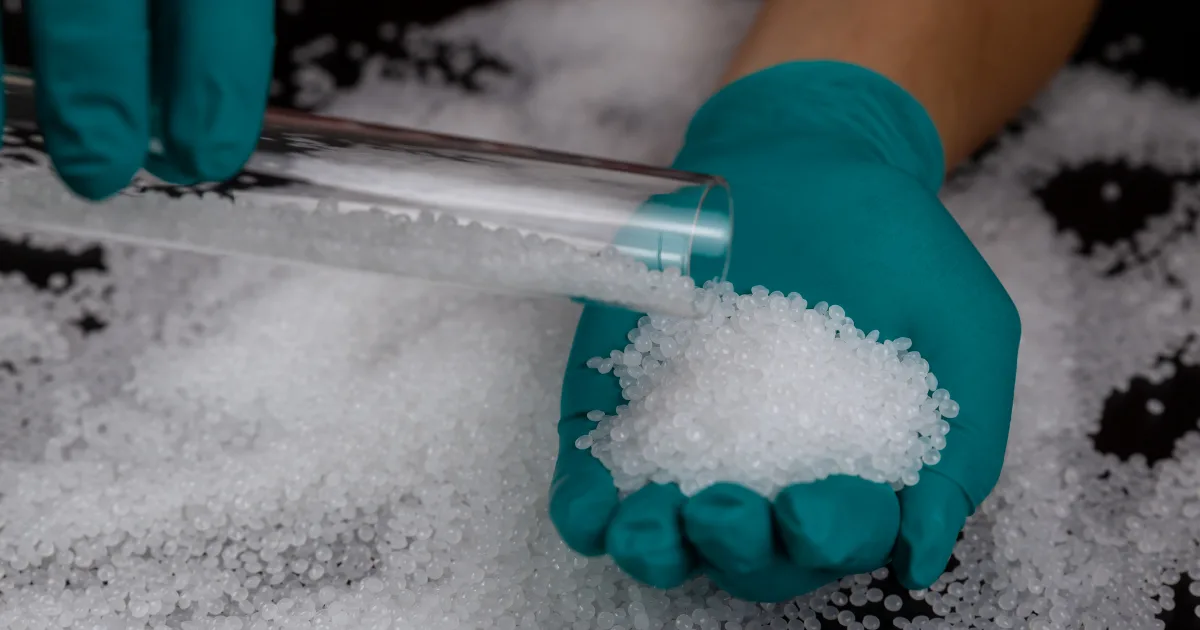
Where are mineral solutions used?
Polymers and cables
Mineral flame retardants are widely used in:
- Cable sheathing
- Flexible PVC
- Roofing membranes
- EVA compounds
- Rubber and elastomers
These mineral systems can help reduce smoke generation, improve fire performance, lower heat release and reduce dripping behaviour during combustion.
Construction and infrastructure
Construction materials increasingly rely on mineral solutions to improve:
- Density control
- Durability
- Moisture resistance
- Service life
- Structural reliability
Applications include high-density concrete, radiation shielding, flooring systems, asphalt and cement-based materials.
Coatings and paints
Minerals are frequently used to improve:
- Corrosion resistance
- Barrier performance
- Weather resistance
- Surface finish
- Rheology control
This is particularly valuable in marine, industrial and protective coating systems where long-term durability is essential.
Agriculture
Minerals are used throughout agricultural systems in applications including:
- Seed coatings
- Animal feed
- Fertiliser carriers
- Soil conditioning
- Crop protection products
These solutions can improve handling, consistency, nutrient delivery and application efficiency.
Mineral solutions vs traditional additives
When selecting materials, manufacturers often compare mineral solutions with conventional additive technologies.
Mineral solutions may offer advantages including:
- Multi-functional performance
- Long-term durability
- Improved fire performance
- Density control
- Processing efficiency
- Potential sustainability benefits
The most suitable option depends on the specific application, formulation and performance requirements.
What should manufacturers consider when selecting a mineral solution?
Choosing the right mineral involves more than chemistry alone.
Key considerations include:
Performance requirements
Can the mineral solve the technical challenge?
Examples include:
- Fire protection
- Density targets
- Thermal stability
- Mechanical reinforcement
- Barrier performance
Processing compatibility
The mineral must work efficiently within the existing manufacturing process.
Factors include:
- Particle size
- Morphology
- Loading level
- Dispersion behaviour
- Processing conditions
Supply reliability
Manufacturers often require:
- Consistent quality
- Reliable supply
- Technical support
- Regulatory documentation
- Long-term availability
Sustainability objectives
Increasingly, organisations are evaluating:
- Resource efficiency
- Material longevity
- Waste reduction
- Carbon reduction opportunities
- Lifecycle performance
The focus is shifting from material cost alone to overall system value.
Frequently asked questions about mineral solutions
What are mineral solutions used for?
Mineral solutions are used to improve performance in polymers, construction materials, coatings, infrastructure, agriculture and manufacturing applications.
What is a functional mineral?
A functional mineral is selected for the specific performance benefit it provides, such as flame retardancy, density control, reinforcement or barrier performance.
Are mineral solutions sustainable?
Depending on the application, mineral solutions can support sustainability goals by improving durability, reducing maintenance requirements and increasing material efficiency.
What industries use mineral solutions?
Industries using mineral solutions include construction, polymers, agriculture, coatings, infrastructure, marine, automotive, energy and manufacturing.
Why mineral expertise matters
Selecting the right mineral solution requires an understanding of both material science and real-world application performance.
At LKAB Minerals, our technical specialists work with customers to identify mineral solutions that address performance challenges, optimise formulations and support long-term operational goals.
Whether the objective is fire safety, density control, durability, processing efficiency or sustainability, the right mineral solution can help manufacturers improve performance while reducing risk.
Explore LKAB Minerals’ mineral solutions
Looking for support with a specific material challenge?
Explore our mineral solutions for polymers, construction, coatings, infrastructure and industrial manufacturing, or contact our technical team to discuss your application requirements. You can also follow LKAB Minerals on LinkedIn for the latest product updates, case studies, and industry insights.