What are natural minerals? Definition, formation and industrial uses
Natural minerals are the foundation of modern infrastructure, manufacturing and construction.
From buildings and roads to paints, coatings, polymers and agricultural products, minerals play an essential role in everyday life. Yet many people are unfamiliar with what minerals actually are and how naturally occurring materials become valuable industrial resources.
Understanding natural minerals helps explain how geology supports modern industry.
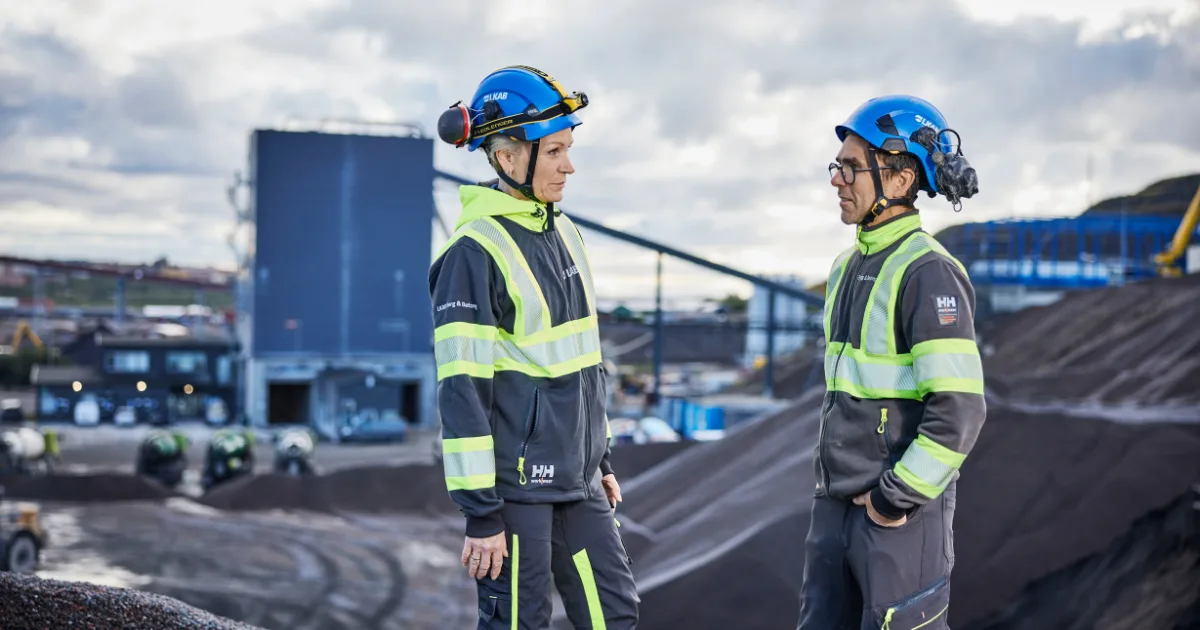
What are natural minerals?
Natural minerals are naturally occurring inorganic substances with a defined chemical composition and crystal structure, formed through geological processes over millions of years.
Minerals occur naturally within the Earth’s crust and can be extracted and processed for use across a wide range of industrial applications.
How are natural minerals formed?
Minerals form through a variety of geological processes.
These include:
- Cooling and crystallisation of magma
- Sedimentation and compaction
- Metamorphic transformation under heat and pressure
- Chemical precipitation from water
Over geological timescales, these processes create mineral deposits that can be extracted and utilised by industry.
Examples of natural minerals
Thousands of minerals exist naturally, but only a smaller number are widely used commercially.
Common examples include:
Each mineral possesses unique physical and chemical characteristics that determine its industrial applications.
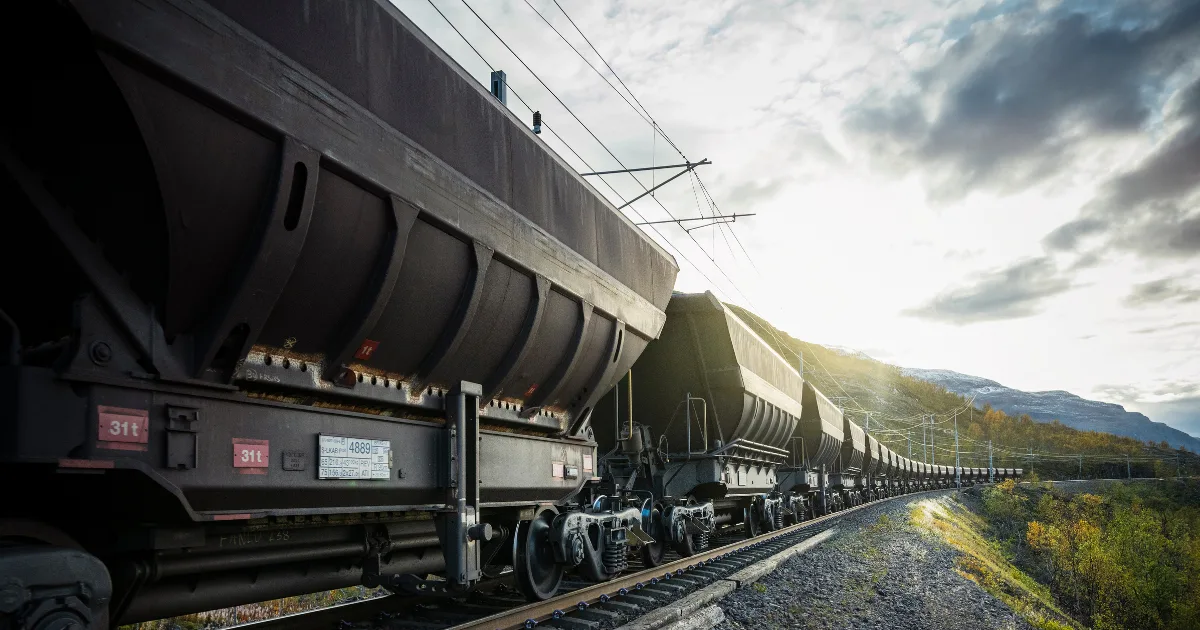
How are natural minerals used?
Natural minerals support a vast range of industries. Applications include:
Construction
Minerals are used in:
- Concrete
- Cement
- Screeds
- Infrastructure projects
- Road construction
Manufacturing
Minerals contribute to:
- Polymers
- Coatings
- Ceramics
- Glass
- Friction materials
Agriculture
Minerals support:
- Animal nutrition
- Soil improvement
- Crop production
- Seed coatings
Environmental applications
Minerals are also used in:
- Water treatment
- Filtration systems
- Environmental remediation
Natural minerals versus processed minerals
Natural minerals originate in the ground, but many industrial applications require additional processing.
Processing may include:
- Crushing
- Grinding
- Screening
- Classification
- Calcination
- Micronisation
These processes help create consistent materials suitable for industrial manufacturing and construction applications.
Processed minerals remain natural minerals, but their properties are engineered to meet specific performance requirements.
Why consistency matters
Naturally occurring minerals can vary depending on geology and location.
Industrial users often require:
- Controlled particle size
- Consistent chemistry
- Reliable purity
- Predictable performance
Processing helps transform natural variability into industrial reliability.

Frequently asked questions
Are natural minerals renewable?
Most minerals form over geological timescales and are therefore considered finite natural resources.
Are processed minerals still natural?
Yes. Processing changes the physical characteristics of the mineral but does not alter its natural geological origin.
What industries use natural minerals?
Construction, manufacturing, agriculture, energy, environmental technologies and infrastructure sectors all rely heavily on natural minerals.
Why natural minerals matter
Natural minerals remain fundamental to modern life.
From the buildings we live in to the products we use every day, minerals provide the performance, functionality and reliability required across countless industrial applications.
Understanding how minerals form, how they are processed and how they are used helps demonstrate the important role geology continues to play in supporting modern society.
To discover how LKAB Minerals transforms natural minerals into high-performance solutions for construction, manufacturing and infrastructure, explore our product portfolio and processed mineral capabilities. You can also follow LKAB Minerals on LinkedIn for the latest industry insights and application developments.