FAQs about synthetic anhydrite mineral Andricite
As construction materials become more performance-driven, manufacturers increasingly need minerals that support predictable processing, reliable workability, and consistent end-product performance. That is where Andricite fits in. As a synthetic anhydrite supplied by LKAB Minerals, Andricite is used across screeds, self-levelling compounds, building chemistry, and industrial formulations where consistency matters.
1. What is anhydrite and how is it different from gypsum?
Anhydrite is anhydrous calcium sulphate, meaning it contains no chemically bound water. Gypsum is hydrated calcium sulphate. Because of this, anhydrite behaves differently in mineral binder systems and can offer different setting and curing characteristics.
2. Why is anhydrite used in self-levelling screeds?
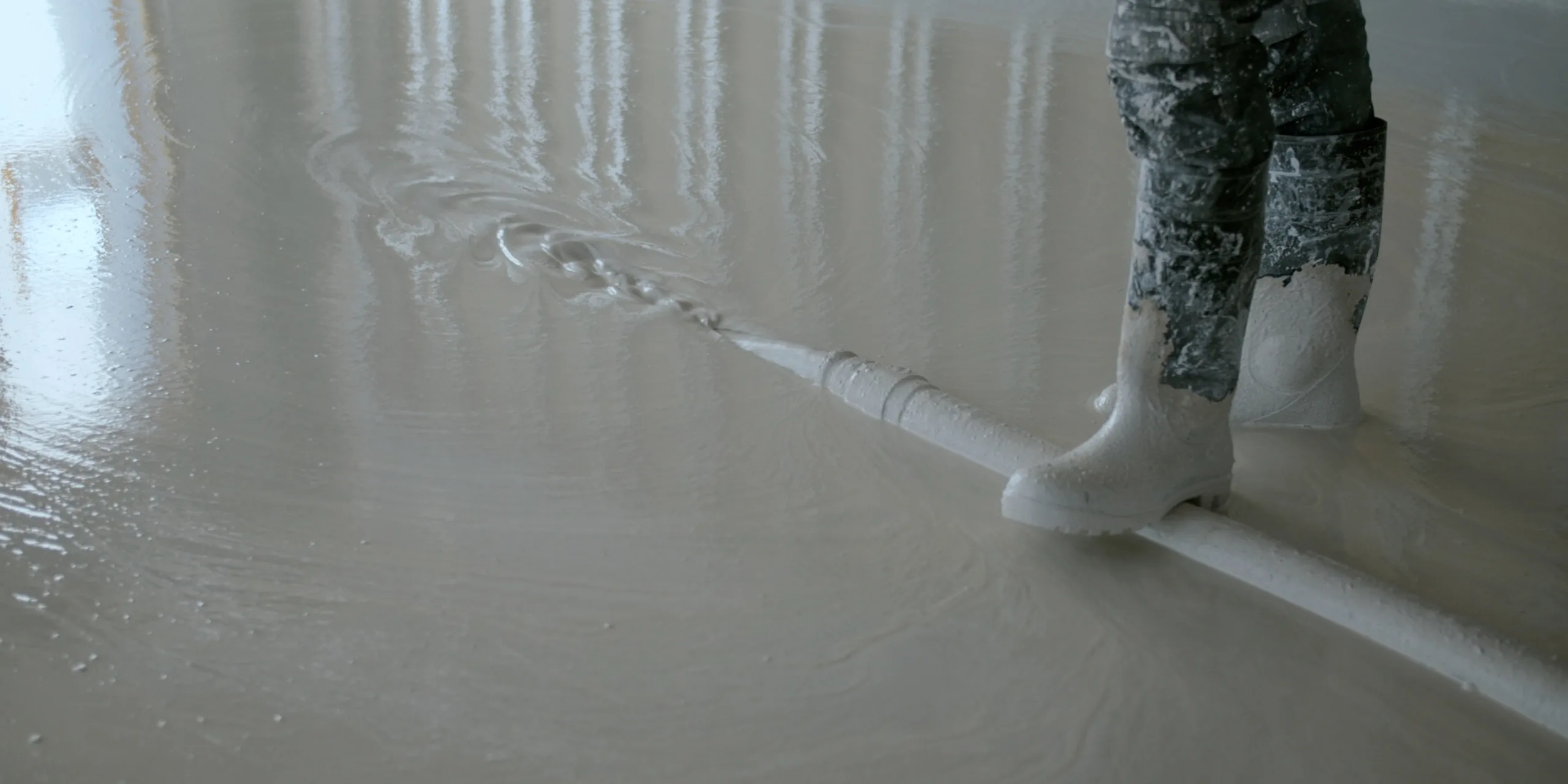
Anhydrite is widely used in self-levelling screeds because it helps create high-flow, low-shrinkage flooring systems that can be placed quickly and evenly over large areas.
3. How does Andricite support flooring performance?
In flowing screeds, Andricite helps contribute to surface regularity, dimensional stability, and good pumpability, which can improve both installation speed and final floor quality.
4. Can Andricite help underfloor heating systems?
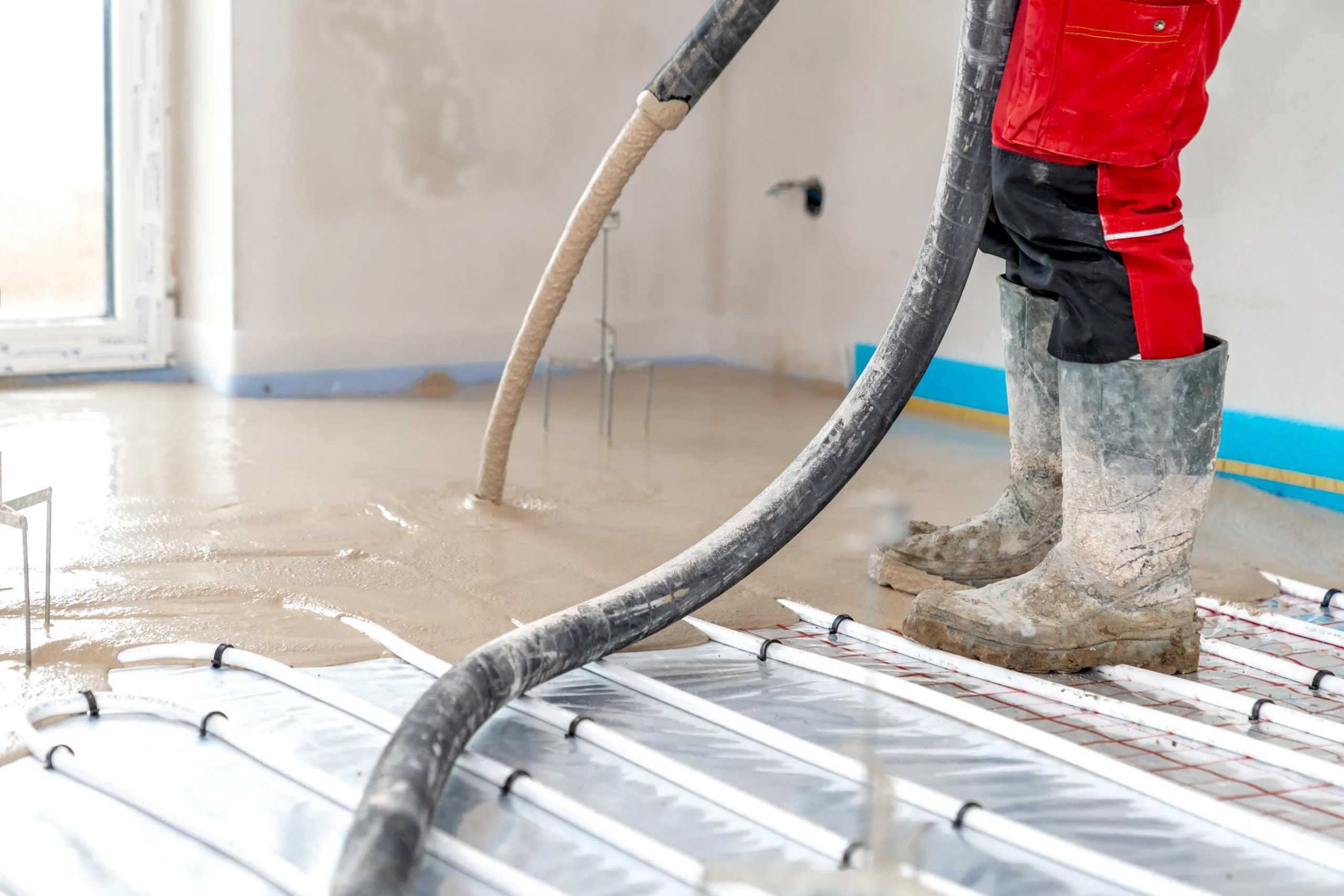
Yes. Calcium sulphate screeds based on anhydrite binders are often selected for underfloor heating because they can flow well around heating pipes and create dense, uniform floor structures.
5. Why does particle consistency matter in mineral binders?
Consistent particle size helps manufacturers achieve more predictable water demand, smoother mixing behaviour, and more stable product performance across production batches.
6. Is synthetic anhydrite more consistent than naturally sourced materials?
In many applications, yes. Synthetic anhydrite can offer tighter compositional control, which is especially valuable in industrial formulations that depend on repeatable performance.
7. Beyond screeds, where else can Andricite be used?
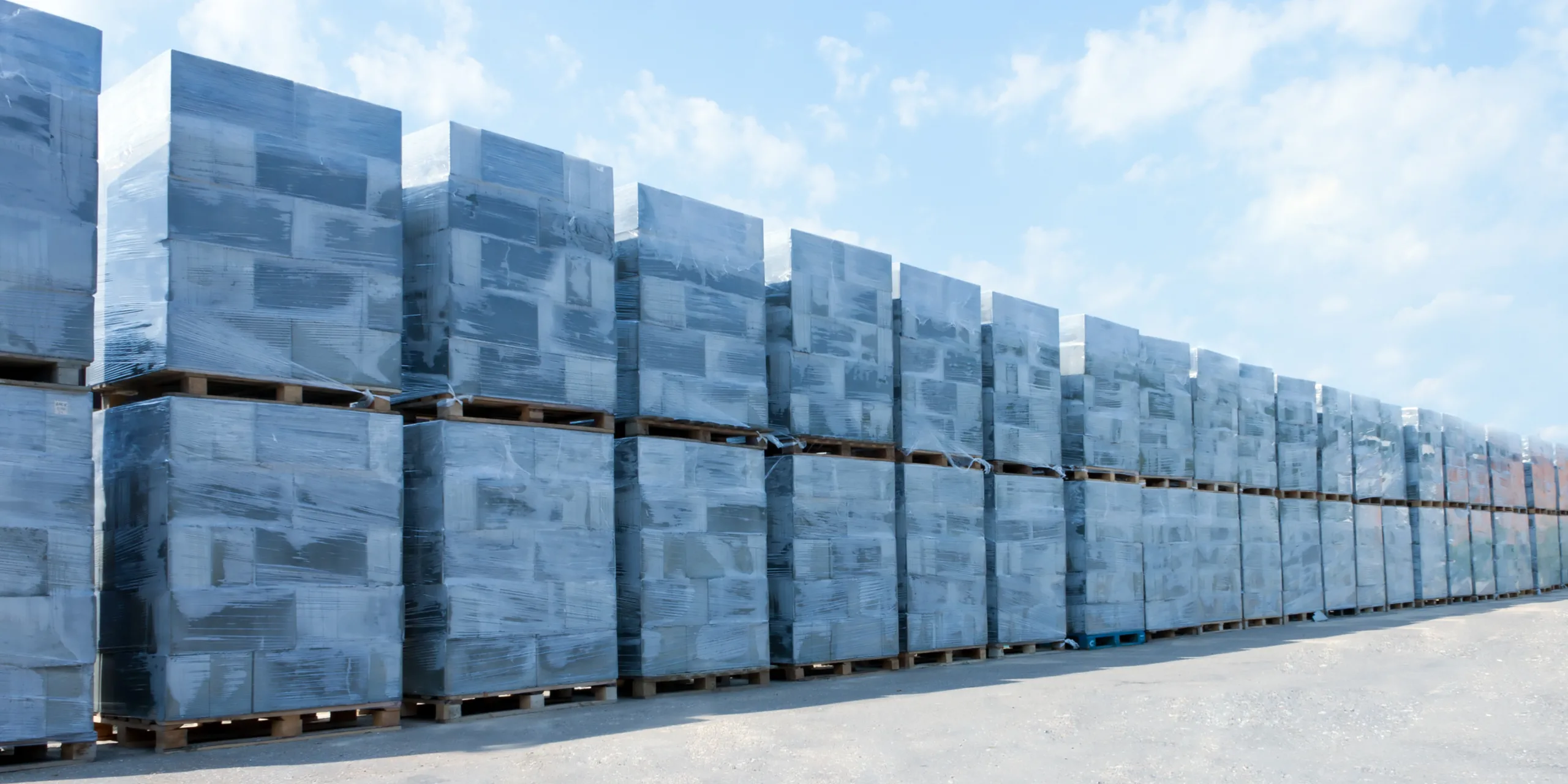
Andricite also has relevance in adhesives, coatings, plastics, PVC systems, aerated blocks, and other industrial filler applications where mineral stability and formulation consistency matter.
8. Does Andricite affect early strength development?
Depending on the full binder system, Andricite can influence hydration behaviour and strength development, particularly when used alongside complementary cementitious materials.
9. Why do formulators use calcium sulphate minerals?
Calcium sulphate minerals are often used to help manage setting behaviour, workability, dimensional control, and formulation economics in modern construction products.
10. Is Andricite relevant for more sustainable construction?
Synthetic anhydrite can support more resource-efficient formulation strategies because it is an industrial mineral by-product with useful technical performance, aligning with broader circular-material thinking.
Andricite is more than a screed binder. It is a versatile engineered mineral that supports workability, consistency, and formulation control across construction and industrial applications.
For more detail, visit the Andricite product page, explore LKAB Minerals’ product range, or browse construction and building materials applications. You can also follow us on LinkedIn for the latest insights, case studies and industry updates.