Mineral processing explained: From geology to industrial performance
Mineral processing is the sequence of physical and chemical techniques used to prepare raw minerals for industrial use by controlling size, purity, consistency and functional performance.
It forms the link between the natural world and industrial systems.
The purpose of mineral processing
Mineral processing exists for a fundamental reason: modern industry cannot tolerate variability.
Manufacturing, construction and infrastructure systems depend on predictable material behaviour. Material processing transforms naturally variable raw materials into dependable industrial inputs.
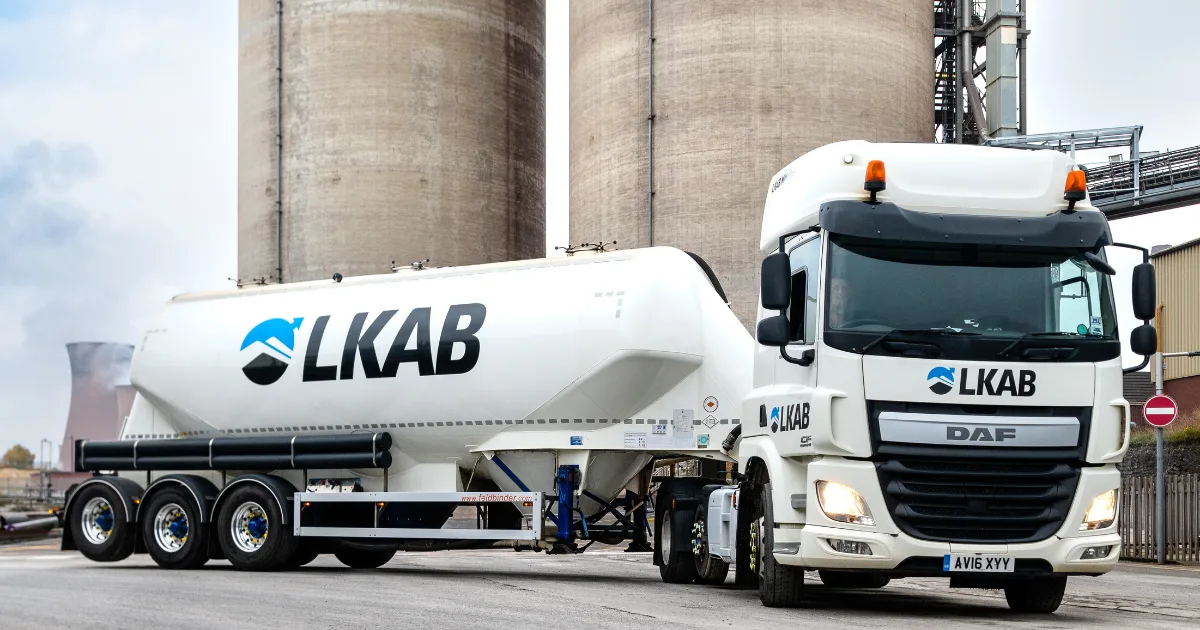
Key stages of mineral processing explained
While processing routes vary depending on the mineral and application, they typically include:
- Extraction: Carefully managed extraction to preserve material quality and limit contamination.
- Size reduction: Crushing or grinding to achieve defined particle size distributions.
- Classification: Screening or separation to remove off‑spec material fractions.
- Purity management: Physical separation techniques to remove unwanted materials.
- Testing and quality control: Continuous monitoring to maintain consistent output.
Each stage reduces uncertainty and improves usability.
Mineral processing vs material manufacturing
This distinction is important. Mineral processing:
- Preserves natural mineral structure
- Enhances physical performance
- Does not create synthetic materials
Manufacturing, by contrast, chemically transforms raw inputs into new substances. At LKAB Minerals, the focus is on optimising natural materials – not replacing them.
Application‑driven processing at LKAB Minerals
Processing is never generic. Our processing approaches are designed around end‑use performance, ensuring materials integrate smoothly into customer systems. This includes controlling characteristics such as:
- Particle size distribution
- Shape and surface characteristics
- Flow, setting or drying behaviour
An application‑first approach reduces risk and improves performance across the value chain.
Processing and risk reduction
Effective processing helps to reduce:
- Installation failures
- Performance variability
- Health and safety risks
- Unplanned downtime
For industrial users, material processing is a risk‑management function, not just a production step.
The role of processing in circularity
Modern processing supports more circular material use by:
- Enabling reuse of secondary and by‑product materials
- Improving compatibility with recycled streams
- Maximising usable output from each deposit
This aligns closely with LKAB Minerals’ ambition to deliver climate‑efficient mineral solutions.
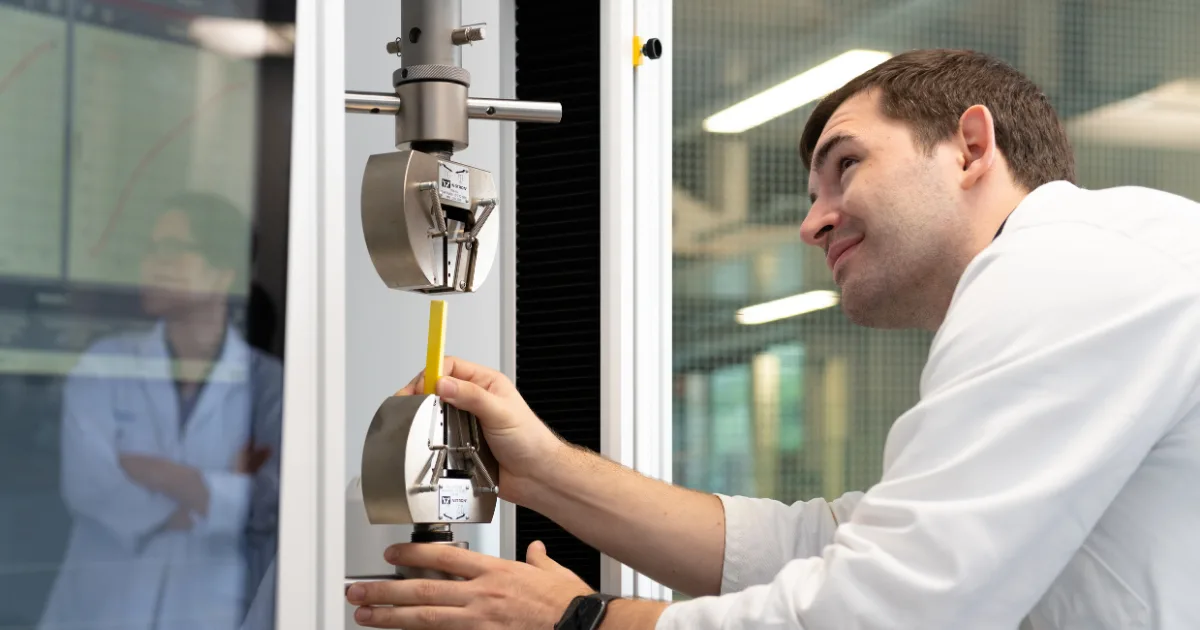
Environmental considerations in processing
Although material processing can be energy‑intensive, when done responsibly, it can:
- Reduces waste
- Improves lifecycle performance
- Lowers total resource consumption over time
Poorly processed materials often lead to higher environmental impact through inefficiency, waste and premature replacement.
Frequently asked questions
Is mineral processing regulated?
Yes. Mineral processing is subject to environmental, quality and safety regulations.
Is mineral processing necessary for all applications?
Nearly all industrial applications require some level of processing to ensure reliable, repeatable performance.
Learn how LKAB Minerals combines expertise with application knowledge across industries by clicking here. You can also follow us on LinkedIn for the latest insights, case studies and industry updates.